
Trusted by 140+ Homeowners
How Do Restoration Companies Handle Catastrophe Events?
- Over 143 5-Star Reviews
- Free Estimates and Quotes
- 100% Satisfaction Guaranteed
- Child, Family & Pet Safe Steps
- 24-Hour Emergency Service
- Fully Licensed & Insured

Restoration companies handle catastrophe events by mobilizing quickly with specialized teams and equipment. They focus on immediate damage assessment, containment, and mitigation to prevent further loss.
Effective catastrophe response involves a strategic plan for rapid deployment, clear communication, and efficient restoration processes to minimize disruption.
TL;DR:
- Catastrophe events require immediate professional intervention for safety and damage control.
- Restoration companies deploy trained teams and advanced equipment for assessment and mitigation.
- They address various damage types, including water, fire, mold, and biohazards, with specific strategies.
- A focus on containment, drying, cleaning, and rebuilding ensures a thorough restoration process.
- Planning and quick action are key to minimizing long-term impact and business disruption.
How Do Restoration Companies Handle Catastrophe Events?
When disaster strikes your home or business, it can feel overwhelming. Catastrophe events, whether from natural disasters or accidents, require a swift and organized response. Restoration companies are equipped to handle these emergencies. They act as your guide through the chaos. Our goal is to restore your property and your peace of mind as quickly as possible.
Immediate Response and Assessment
The first step a restoration company takes is always a rapid assessment of the damage. This usually happens within hours of your call. Experts identify the scope of the problem. They determine what areas are affected and the severity of the damage. This ensures the right resources are deployed.
Prioritizing Safety First
Your safety is the top priority. Restoration professionals are trained to identify hazards. This includes structural instability, electrical risks, or the presence of contaminants. They will secure the area to prevent further injury. This might involve boarding up windows or shutting off utilities. Your family’s safety is non-negotiable.
Damage Containment Strategies
Once safety is addressed, containment is key. Restoration companies work to stop the damage from spreading. For water damage, this means stopping the source of the leak. They might use barriers to prevent water from reaching unaffected areas. This is especially critical when dealing with scenarios like floodwater spreading through the home.
Water Damage Restoration
Water damage is one of the most common catastrophes. It can come from burst pipes, storms, or sewage backups. Professionals use specialized equipment. This includes powerful water extractors and air movers. They aim to remove all standing water quickly. Then, they focus on thorough drying. This prevents secondary issues like mold growth.
Dealing with Contaminated Water
Sometimes, the water is not just water. It can be contaminated. This is a serious concern. Professionals have protocols for handling different water categories. They know how to deal with the risks associated with floodwater spreading through the home. This often involves disinfection and sanitization.
Fire and Smoke Damage Restoration
Fires are devastating. The damage extends far beyond the flames. Smoke can penetrate every crevice. Soot can settle on surfaces. Restoration teams address both the fire damage and the lingering effects. They use specialized cleaning agents. They also employ deodorizing techniques. The goal is to remove all traces of smoke and soot. This is true whether it’s fire damage throughout the home or a smaller incident.
Soot and Odor Removal
Smoke residue is often acidic. It can corrode materials if not removed promptly. Experts have effective methods to clean various surfaces. They also tackle the pervasive smoke smell. This can involve ozone treatments or thermal fogging. They work to eliminate odors, not just mask them. They are skilled in handling issues like smoke residue after a fire.
Mold Remediation After Disasters
Moisture left unchecked after water damage can lead to mold. Mold can appear quickly. It poses serious health risks. Restoration companies are trained in mold detection and removal. They can find mold in hidden areas. They use containment procedures to prevent spores from spreading. They also ensure the affected area is properly dried and treated. Addressing mold growth after moisture problems is a critical step in the restoration process.
Preventing Future Mold Issues
Beyond just cleaning existing mold, professionals aim to prevent its return. They identify the source of moisture. They ensure the area is completely dry. Sometimes, they recommend preventative treatments. This is important for preventing hidden mold after water damage.
Specialized Restoration Services
Restoration companies offer a range of specialized services. These are tailored to different types of damage. They have the expertise for unique situations. This ensures every aspect of the damage is addressed.
Biohazard Cleanup
Some disasters involve biohazards. This can include sewage backups or trauma scenes. These situations require extreme caution. Restoration professionals follow strict safety protocols. They use specialized disinfectants. They ensure the area is thoroughly cleaned and sanitized. This is critical for public health. They know how to handle situations where you might find floodwater spreading through the home that has become contaminated.
Commercial Property Restoration
Businesses face unique challenges after a catastrophe. Downtime means lost revenue. Restoration companies understand the urgency. They create a commercial property restoration planning strategy. This focuses on minimizing business disruption. They work efficiently to get your business back up and running. They aim to reduce the impact of business disruption after property damage.
Restoring Different Property Types
Whether it’s a single-family home, a large apartment complex, or a commercial building, the approach is adapted. For example, restoration companies have specific procedures for handling fire damage throughout the home in multi-unit dwellings. They are experienced in dealing with the unique challenges of different structures.
The Restoration Process: A Checklist
Here’s a general idea of what the process looks like:
- Initial emergency response and assessment
- Damage containment to prevent further spread
- Water extraction and structural drying (if applicable)
- Cleaning and sanitizing affected areas
- Fire and smoke damage cleanup
- Mold inspection and remediation
- Reconstruction and repairs
- Final inspection and walkthrough
This systematic approach ensures nothing is missed. It’s about getting your property back to its pre-loss condition. You need to act before it gets worse.
Why Professional Help is Essential
While DIY might seem appealing for minor issues, catastrophes demand professional intervention. Restoration companies have the training and equipment. They understand the science behind drying and cleaning. They also carry the necessary insurance. Trying to handle major damage yourself can lead to further problems. It can even create serious health risks. It is always best to call a professional right away.
Advanced Technology and Techniques
Restoration experts use cutting-edge technology. This includes infrared cameras to detect hidden moisture. They use advanced drying systems to speed up the process. They also employ specialized cleaning solutions. These are often more effective and safer than common household products. This ensures a thorough and efficient job.
Mitigating Long-Term Damage
The speed of response is critical. The sooner professionals begin, the less damage occurs. Water left standing can warp wood and damage drywall. Mold can start growing within 24-48 hours. Prompt action by a restoration company limits the extent of the damage. It also helps prevent long-term structural issues. You should do not wait to get help.
| Type of Damage | Initial Steps by Restoration Pros | Key Focus Areas |
|---|---|---|
| Water Damage | Water extraction, structural drying | Preventing mold, restoring materials |
| Fire Damage | Soot and smoke removal, structural cleaning | Odor elimination, material restoration |
| Mold Damage | Containment, removal, environmental testing | Preventing recurrence, air quality |
| Biohazard | Containment, specialized cleaning, disinfection | Safety, complete sanitization |
Working with Your Insurance
Restoration companies often work directly with insurance companies. They can help navigate the claims process. They provide detailed documentation of the damage and the work performed. This can make the claims process smoother for you. They are your advocates in getting your property restored. You can get expert advice today on how this works.
Conclusion
Catastrophe events are challenging, but you don’t have to face them alone. Restoration companies are the experts in bringing your property back to life. They bring a combination of speed, expertise, and specialized equipment. Frederick Damage Restoration Pros is a trusted resource dedicated to helping you through these difficult times. We are committed to restoring your property with care and efficiency.
What is the first step a restoration company takes after a catastrophe?
The very first step is always to ensure the safety of everyone involved. This includes assessing any immediate hazards and securing the property. Then, they conduct a rapid assessment of the damage to plan the restoration process.
How quickly do restoration companies respond to emergencies?
Most reputable restoration companies offer 24/7 emergency services. They aim to respond within a few hours of your call, often within an hour, to begin mitigation and prevent further damage.
Can restoration companies handle different types of property damage?
Yes, restoration companies are equipped to handle a wide range of damages, including water, fire, smoke, mold, and biohazards. They have specialized teams and equipment for each type of issue.
How do restoration companies prevent mold after water damage?
They use powerful drying equipment like air movers and dehumidifiers to thoroughly dry out all affected areas. They also use specialized antimicrobial treatments to inhibit mold growth and ensure the environment is healthy.
What is the role of a restoration company in the rebuilding process?
After the initial cleanup and drying, restoration companies often handle the reconstruction phase. This can involve repairing or replacing damaged structures, drywall, flooring, and other building components to bring the property back to its pre-loss condition.
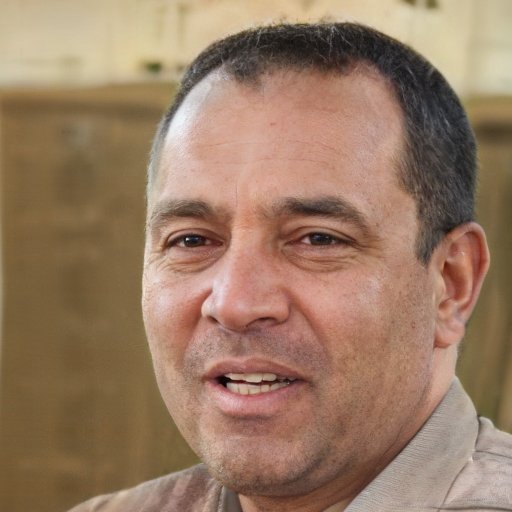
Robert Daniel is a highly respected Damage Restoration Expert with over 20 years of dedicated field experience. As a licensed professional, he has spent two decades restoring safety to residential and commercial properties throughout the region. Robert is recognized for his technical precision and authoritative knowledge in complex disaster recovery.
𝗖𝗲𝗿𝘁𝗶𝗳𝗶𝗰𝗮𝘁𝗶𝗼𝗻𝘀: He holds elite IICRC certifications in Water Damage Restoration (WRT), Mold Remediation (AMRT), Applied Structural Drying (ASD), Odor Control (OCT), and Fire and Smoke Restoration (FSRT).
𝗙𝗮𝘃𝗼𝗿𝗶𝘁𝗲 𝗣𝗮𝘀𝘁𝗶𝗺𝗲: Outside of work, Robert is an avid mountain biker and enjoys restoring antique furniture, a hobby that mirrors his professional passion for preservation.
𝗕𝗲𝘀𝘁 𝗣𝗮𝗿𝘁 𝗼𝗳 𝘁𝗵𝗲 𝗷𝗼𝗯: Robert finds the most fulfillment in seeing a family’s stress vanish as he transforms a damaged house back into a healthy, beautiful home.