Frederick, MD · Frederick County
Emergency Water Damage Restoration in Frederick, MDWet Drywall Removal & Emergency Flood Cleanup
Emergency flood cleanup, flooded room drying, and water damage mitigation are core Emergency Water Damage Restoration in Frederick.
Answered 24/7
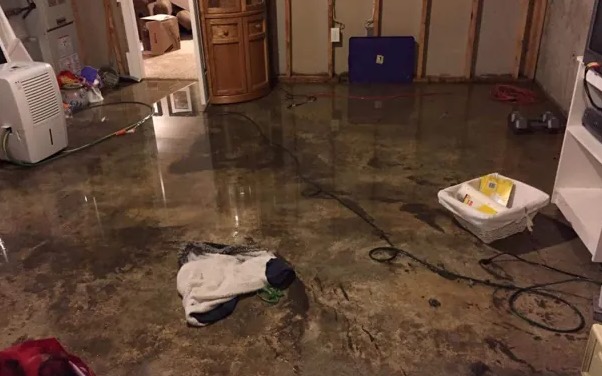
Your Local Solution for Emergency Water Damage Restoration
For properties in Frederick, water damage threatens the structure and contents. Timely intervention by pros aims to salvage belongings and restore a safe, dry condition.
For residential restoration in Frederick and nearby communities like Ballenger Creek, Walkersville and Linganore, an early action limits damage. Local specialists handle water extraction to final drying, removing water from carpets and walls.
Comprehensive Emergency Water Damage Restoration Services in Frederick
Wet Drywall Removal
Drywall absorbs water quickly and can become a mold reservoir if not addressed. Saturation levels are checked, and wet sections may be cut out to allow wall cavities to dry.
Emergency Flood Cleanup
Emergency flood cleanup involves rapid water extraction, debris removal, and surface disinfection. The pros use water removal and drying methods to help reduce health risks and property loss.
Water Damage Mitigation
Water damage mitigation includes immediate actions to minimize loss. Local restoration pros in Frederick focus on water extraction, content removal, and initial drying to stabilize the environment.
Flooded Room Drying
After water removal, a flooded room needs controlled drying. Air movers and dehumidifiers circulate air to reduce humidity. This draws moisture from materials like carpet padding to prevent warping.
Water Damaged Floor Removal
Flooring materials trap moisture against the subfloor, causing hidden damage. Local professionals remove water-compromised floorboards to facilitate subfloor drying. This preserves structural integrity and prevents microbial growth in Frederick.
How to Know You Need Emergency Water Damage Restoration
High Indoor Humidity
A clammy feeling and foggy windows suggest elevated moisture levels, a problem addressed during the water damage restoration process.
Discolored or Sagging Ceiling
Yellow or brown water stains and drooping drywall indicate ceiling water damage cleanup from a leak above is urgently needed.
Spongy Drywall Texture
Walls that feel soft to the touch confirm saturation, a situation calling for emergency flood cleanup and drying.
Bubbling or Peeling Paint
Paint that lifts from walls is a classic sign of moisture intrusion behind the surface, requiring wet drywall removal.
How Emergency Water Damage Restoration Works in Frederick
Step 1: Damage Assessment and Plan
Before work starts, the experts evaluate the class and category of water damage. They then formulate a specific restoration plan for either flooded basement cleanup or other affected areas.
Step 2: Bulk Water Extraction
The most urgent task is removing the bulk of the water. Submersible pumps and industrial wet/dry vacuums perform this initial water removal, drastically reducing the drying time required later.
Step 3: Deep Drying and Dehumidification
To address absorbed moisture, a combination of desiccant and refrigerant dehumidifiers is used. This phase tackles humidity and ensures deep drying, a critical component of ceiling water damage cleanup.
Step 4: Cleaning Affected Contents
Salvageable furniture, documents, and other contents are cleaned and dried using specialized techniques. This content restoration is part of the complete water damage mitigation and recovery service.
Typical Water Damage Scenarios in Frederick
Clogged or Backed-Up Drains
Blocked sewer lines or floor drains can cause wastewater to back up, a hazardous situation for flooded basement cleanup.
Severe Weather Events
Heavy rainstorms can overwhelm drainage systems, causing water intrusion that requires extensive flood restoration services.
Foundation Cracks and Seepage
Hydrostatic pressure can push groundwater through basement walls, a persistent issue addressed by the experts.
Natural Flooding Events
Rising bodies of water from rivers or creeks can inundate properties, demanding large-scale commercial water damage restoration.
Full-Scale Emergency Water Damage Restoration for Frederick Properties
Residential Emergency Water Damage Restoration
Home water damage often affects porous drywall and carpet. The specialists handle wet drywall removal and subfloor drying to restore living spaces and help prevent mold.
Commercial Emergency Water Damage Restoration
Large commercial properties need specialized drying. The experts typically use industrial dehumidifiers and detailed moisture mapping for water damage mitigation across big floor areas.
The Risks of DIY Emergency Water Damage Restoration in Frederick
Turn off power at the breaker and unplug electronics. Use a wet-dry vacuum on hard surfaces. For water in carpets, padding, or subfloors, contact the experts in Frederick for extraction.
Cost Considerations for Emergency Water Damage Restoration in Frederick
Commercial water damage restoration projects often have different cost drivers than homes, including business interruption concerns. The scale of water extraction and the building materials involved are primary factors.
Affected Materials and Contents
Costs adjust based on whether porous materials like drywall and carpet need removal versus non-porous surfaces that may be salvageable through professional drying methods.
Required Drying Time
The duration needed for industrial air movers and dehumidifiers to achieve proper drying standards impacts the overall project timeline and operational costs.
Access and Complexity
Hard-to-reach areas like crawlspaces or multi-story buildings may require specialized equipment setup, affecting the project's logistical requirements and final price.
Does Insurance Cover Emergency Water Damage Restoration?
Insurance for flood restoration hinges on policy language. For burst pipe cleanup, the experts in Frederick document the extraction and drying process. Coverage determinations are made by the insurer.
Selecting Water Extraction Experts for Emergency Water Damage Restoration in Frederick
Advanced Moisture Detection
Using thermal imaging and penetrating moisture meters, the experts find hidden wetness behind walls and under floors that isn't visible to the naked eye.
Content Protection and Handling
Furniture and belongings are moved, blocked, or dried in-place to prevent further damage during the emergency flood cleanup and restoration process.
Mold Prevention Protocols
By rapidly drying the environment and applying antimicrobial treatments where appropriate, experts help inhibit mold growth during the critical first 24-48 hours.
Around-the-Clock Emergency Water Damage Restoration for Frederick
For burst pipe cleanup or flooding, the first hours matter. To start water damage mitigation, call (301) 804-1451 for the experts in Frederick.
Call Now (301) 804-1451Extended Emergency Water Damage Restoration Reach from Frederick
The need for burst pipe mold prevention and emergency water damage cleanup arises in many locations. For residents in Frederick, the professionals provide local service, covering Frederick and surrounding communities including Ballenger Creek, Walkersville and Linganore.
Common Emergency Water Damage Restoration Queries Answered
Why is wet drywall removal often necessary after water damage?
Drywall is porous and absorbs water, weakening its structure. It can also foster mold growth. Removal is often necessary to dry wall cavities and create a sound surface for repair.
What happens to the water that is extracted during burst pipe cleanup?
Extracted water is collected in tanks and disposed of per local Frederick County regulations. The method depends on the water category, with contaminated water requiring careful handling.
How does burst pipe mold prevention work during restoration?
Prevention focuses on rapid drying to remove the moisture mold needs. This involves industrial air movers, dehumidifiers, and sometimes applying EPA-registered antimicrobial agents during the drying process.
What are common causes for commercial water damage restoration calls?
Common causes include broken pipes, roof leaks, sewer backups, sprinkler failures, and HVAC condensation. These incidents can disrupt business and damage the building, requiring a professional response.
What should I do immediately while waiting for flood restoration?
Shut off the main water source if safe. Move small valuables to a dry spot. Avoid using household vacuums on water.