
Trusted by 140+ Homeowners
How Do Restoration Companies Handle Biohazard Events After Flooding?
- Over 143 5-Star Reviews
- Free Estimates and Quotes
- 100% Satisfaction Guaranteed
- Child, Family & Pet Safe Steps
- 24-Hour Emergency Service
- Fully Licensed & Insured

Restoration companies handle biohazard events after flooding by following strict safety protocols. This includes containment, disinfection, and proper disposal of contaminated materials.
When floodwaters recede, they can leave behind more than just water damage; they can create dangerous biohazard situations that require specialized handling.
TL;DR:
- Floodwaters can carry harmful pathogens, creating biohazard risks.
- Restoration companies use protective gear and specialized equipment.
- Containment, disinfection, and proper waste disposal are key steps.
- Identifying and mitigating all potential sources of contamination is vital.
- Professional help is essential for safety and thorough cleanup.
How Do Restoration Companies Handle Biohazard Events After Flooding?
When floodwaters recede, the real danger might still be lurking. These waters can carry a host of nasty things like raw sewage, bacteria, viruses, and chemical contaminants. This turns a typical water damage scenario into a biohazard event. Restoration companies are trained to manage these risks. They understand the serious health risks involved. Their primary goal is to make your property safe again.
Understanding the Biohazard Threat
Floodwater is rarely just plain water. Think about what it picks up as it flows: sewage backups, industrial waste, decaying organic matter, and even dead animals. This contaminated water can seep into your home’s structure. This includes drywall, carpets, and furniture. It creates a breeding ground for harmful microorganisms. That’s why dealing with it requires more than just drying things out. It’s about neutralizing the unseen dangers.
Sewage Contamination
One of the most common biohazards after a flood is sewage. Whether it’s from overwhelmed municipal systems or a damaged septic tank, sewage is teeming with bacteria and viruses. Exposure can lead to severe gastrointestinal illnesses and other infections. For instance, if you’re dealing with floodwater spreading through the home, especially at lower levels, sewage contamination is a high probability. This is why it’s critical to avoid contact and let professionals handle it. We found that even seemingly minor sewage backups can pose significant threats.
Chemical and Biological Contaminants
Beyond sewage, floodwaters can pick up industrial chemicals, pesticides, or fuel from damaged storage tanks. These can be toxic and pose immediate health concerns. Additionally, the damp environment left behind is perfect for mold growth. While mold isn’t always a direct biohazard in the same way as sewage, certain types can cause allergic reactions and respiratory problems. This is especially true if there’s mold growth in lower levels or pervasive basement moisture that feeds mold.
The Professional Restoration Process
So, how do restoration companies actually tackle these tough situations? It’s a systematic approach focused on safety and thoroughness. They don’t just jump in; they plan and prepare. Many experts say this careful planning is what separates a successful cleanup from a failed one.
Assessment and Containment
The first step is always a detailed assessment. Trained technicians will inspect the affected areas to identify the extent of contamination. They look for signs of sewage, chemical spills, or other biohazards. Once identified, containment is key. This involves setting up barriers to prevent the spread of contaminants to unaffected areas of your home. This might include plastic sheeting or negative air pressure machines. This step is crucial to prevent cross-contamination. It’s part of the overall hidden damage that needs inspection.
Personal Protective Equipment (PPE)
Safety for the cleanup crew is non-negotiable. Restoration technicians wear specialized PPE. This includes full-face respirators, gloves, and waterproof suits. This gear protects them from direct contact with hazardous materials. It ensures they don’t carry contaminants on their clothing. This level of protection is a must when dealing with anything resembling professional restoration after property damage involving biohazards.
Specialized Cleaning and Disinfection
Simply cleaning with soap and water isn’t enough for biohazards. Restoration companies use EPA-approved disinfectants and antimicrobial treatments. These are specifically designed to kill bacteria, viruses, and neutralize odors. They often use equipment like foggers or ozone generators to ensure thorough disinfection of the air and surfaces. This is a far cry from just dealing with standing water after heavy rain in a typical flood scenario.
Controlled Demolition and Removal
Often, porous materials like drywall, insulation, carpets, and upholstered furniture become too contaminated to salvage. In these cases, controlled demolition is necessary. Technicians will carefully remove these items. They then package them securely in sealed bags or containers. This prevents the spread of contaminants during transport. Proper disposal is then arranged according to local regulations. This is a critical part of the professional restoration after property damage.
Drying and Deodorization
After cleaning and disinfection, the focus shifts to drying the affected areas thoroughly. High-powered air movers and dehumidifiers are used. This prevents secondary damage like mold growth. Odor removal is also a key step. Biohazards often leave persistent, unpleasant smells. Specialized deodorizing treatments are applied to eliminate these odors completely. This ensures your home not only looks clean but smells clean too.
When Do You Need Professional Biohazard Cleanup?
It’s easy to underestimate the dangers after a flood. But some situations demand immediate professional intervention. If you suspect sewage contamination, chemical spills, or if the water has been standing for more than 24-48 hours, it’s time to call in the pros. Don’t try to tackle these situations yourself. The risks are too high.
Identifying the Need
Look for signs like a foul odor, visible sewage, or discoloration of water and surfaces. If your property has experienced significant flooding, especially if it involved storm runoff or potential sewer backups, assume the worst. It’s better to be safe than sorry. Think about a situation like floodwater spreading through the home; it’s a clear indicator that professional help is needed. We found that homeowners often underestimate the contamination level.
The Importance of Acting Quickly
The longer a biohazard sits, the more it can spread and the more dangerous it becomes. Bacteria multiply rapidly. Mold can start growing within 24-48 hours in damp conditions. Prompt action minimizes the health risks and limits the extent of damage. This means less demolition and potentially lower restoration costs in the long run. You must call a professional right away if you suspect a biohazard event. Don’t wait to get help; time is of the essence.
Biohazards in Different Scenarios
The specific biohazard risks can vary depending on the source of the flood and the location. Understanding these differences helps in anticipating the challenges.
Residential vs. Commercial Properties
While the principles of biohazard cleanup are the same, commercial properties might face more complex challenges. This could involve larger areas, specialized equipment, or hazardous materials stored on-site. For instance, handling a floodwater spreading through the home is different from dealing with a flooded industrial facility. In both cases, however, the need for specialized biohazard remediation is clear. Companies need to be prepared for situations where there’s hidden damage that needs inspection, regardless of property type.
Rental Properties and Flood Damage
Dealing with floods in rental properties adds another layer of complexity. Landlords have a responsibility to ensure their properties are safe for tenants. This includes addressing biohazard issues promptly. If you’re managing a flooded rental property, understanding your obligations and the need for professional biohazard cleanup is crucial. This ensures tenant safety and protects your investment. It’s about ensuring the property is safe for occupancy.
Why Professional Help is Essential
Attempting to clean up a biohazard event without proper training and equipment is dangerous. You risk exposure to harmful pathogens. You might also fail to eliminate the contamination completely. This can lead to ongoing health problems and recurring issues like mold. Restoration companies have the knowledge, tools, and certifications needed. They are equipped to handle biohazard spills and complex flood-related contamination safely and effectively. They can also help assess hidden damage that needs inspection, which is often overlooked.
Conclusion
Biohazard events following flooding are serious and require expert attention. The risks to health and property are substantial. Restoration companies like Frederick Damage Restoration Pros are equipped with the specialized knowledge, equipment, and safety protocols to manage these challenging situations. They ensure thorough disinfection, containment, and removal of hazardous materials. This restores your property to a safe and healthy condition. Trusting the cleanup to professionals is the most effective way to protect your family and your home from the unseen dangers left behind by floodwaters.
What are the main dangers of floodwater?
The main dangers of floodwater stem from the contaminants it carries. This can include raw sewage, bacteria, viruses, chemicals, and decaying organic matter. Exposure can lead to serious infections and illnesses. It can also cause long-term health issues if not properly remediated.
How do restoration companies ensure safety during cleanup?
Restoration companies ensure safety through strict protocols. They use Personal Protective Equipment (PPE) like respirators and full-body suits. They also implement containment strategies to prevent the spread of contaminants. Specialized cleaning agents and controlled demolition are employed to remove hazards safely.
Is all flood damage considered a biohazard?
Not all flood damage is automatically classified as a biohazard. However, any floodwater that has come into contact with sewage, industrial runoff, or has been stagnant for an extended period (over 24-48 hours) should be treated as a potential biohazard. Even seemingly clean floodwater can pick up unseen contaminants.
Can I clean up floodwater biohazards myself?
It is strongly advised against attempting to clean up floodwater biohazards yourself. The risks of exposure to dangerous pathogens are extremely high. Without proper training, protective gear, and specialized cleaning agents, you may not effectively remove the contaminants, leading to ongoing health risks and potential secondary damage like mold.
How quickly should biohazard cleanup begin after a flood?
Biohazard cleanup should begin as soon as it is safe to do so. The longer contaminants remain, the more they can spread and the more dangerous they become. Prompt action is crucial to minimize health risks, prevent further damage, and ensure a thorough and effective restoration process. Acting fast is key to a successful outcome.
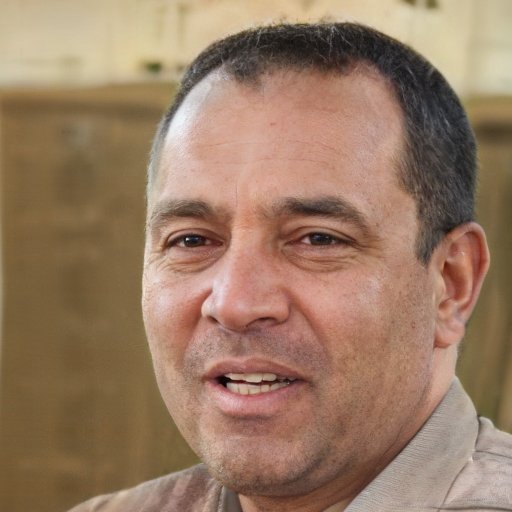
Robert Daniel is a highly respected Damage Restoration Expert with over 20 years of dedicated field experience. As a licensed professional, he has spent two decades restoring safety to residential and commercial properties throughout the region. Robert is recognized for his technical precision and authoritative knowledge in complex disaster recovery.
𝗖𝗲𝗿𝘁𝗶𝗳𝗶𝗰𝗮𝘁𝗶𝗼𝗻𝘀: He holds elite IICRC certifications in Water Damage Restoration (WRT), Mold Remediation (AMRT), Applied Structural Drying (ASD), Odor Control (OCT), and Fire and Smoke Restoration (FSRT).
𝗙𝗮𝘃𝗼𝗿𝗶𝘁𝗲 𝗣𝗮𝘀𝘁𝗶𝗺𝗲: Outside of work, Robert is an avid mountain biker and enjoys restoring antique furniture, a hobby that mirrors his professional passion for preservation.
𝗕𝗲𝘀𝘁 𝗣𝗮𝗿𝘁 𝗼𝗳 𝘁𝗵𝗲 𝗷𝗼𝗯: Robert finds the most fulfillment in seeing a family’s stress vanish as he transforms a damaged house back into a healthy, beautiful home.