
Trusted by 140+ Homeowners
What Is A Moisture Mapping Report In Restoration Work?
- Over 143 5-Star Reviews
- Free Estimates and Quotes
- 100% Satisfaction Guaranteed
- Child, Family & Pet Safe Steps
- 24-Hour Emergency Service
- Fully Licensed & Insured

A moisture mapping report is a detailed document created during water damage restoration. It uses specialized tools to detect and map the full extent of moisture within your property.
This process is vital for ensuring all damp areas are identified, even those hidden from plain sight, to prevent future mold growth and structural issues.
TL;DR:
- Moisture mapping uses tools to find all wet areas in your property.
- It’s essential for complete water damage restoration.
- Reports show moisture levels and locations for targeted drying.
- Helps prevent mold and structural damage from hidden moisture.
- A professional report ensures thorough and effective restoration.
What Is a Moisture Mapping Report in Restoration Work?
When water damage strikes your home or business, the immediate concern is often the visible water. However, water can travel and hide in places you can’t see. This is where a moisture mapping report becomes incredibly important. It’s a key tool in effective water damage remediation. We found that without it, restoration efforts might fall short, leaving behind problems that can worsen over time.
Why Moisture Mapping Matters
Imagine a leaky pipe behind a wall. You might see a small stain, but the water could have spread much further. A moisture mapping report aims to capture this hidden spread. It provides a clear picture of the problem for the restoration team. This helps ensure that all affected materials are properly dried and treated. We found that skipping this step can lead to mold growth and structural decay.
The Science Behind Moisture Detection
Restoration professionals use advanced tools to create these reports. Common devices include moisture meters, infrared cameras, and hygrometers. Moisture meters measure the water content in building materials like drywall, wood, and carpet. Infrared cameras can detect temperature differences caused by moisture. These variations often indicate wet areas that are not visible. We found that these tools allow for a precise assessment of the damage.
How the Mapping Process Works
The process typically begins with a visual inspection. Then, technicians systematically use their tools to scan affected areas. They take readings and record them. An infrared camera might show a “cold spot” on a wall, indicating moisture. A moisture meter then confirms the wetness and measures its severity. This data is compiled into a report. The report often includes visual aids like charts or diagrams. This makes it easy to understand the extent of the moisture.
What a Moisture Mapping Report Includes
A typical report will detail the types of equipment used. It will list the areas inspected and the readings obtained. You will see a clear visualization of the moisture levels. This might be a color-coded map showing dry, damp, and wet zones. The report also notes the types of materials affected. This information guides the drying strategy. It’s a vital part of the professional restoration after property damage.
The Importance of Professional Tools
While you might have a basic moisture meter, professional-grade equipment is far more sophisticated. We found that these tools can penetrate deeper into materials. They can also detect moisture in a wider range of substances. This accuracy is crucial for a complete restoration. Using the right tools ensures that no damp spot is missed. This helps prevent secondary damage, which can be far more costly.
Understanding the Data
The data from moisture mapping isn’t just numbers; it tells a story. It shows how far water has spread from the source. It identifies materials that are saturated and need immediate attention. For example, if a report shows moisture in the subfloor, it means the problem goes deeper than just the carpet. This level of detail is essential for planning the drying process. It helps avoid issues like basement flooding after heavy rain.
Moisture Mapping in Different Scenarios
The need for moisture mapping isn’t limited to one type of water damage. Whether it’s a burst pipe, a leaky roof, or a flood event, moisture can spread. We found that in a basement apartment, water tends to collect in lower levels, making thorough mapping even more critical. Similarly, for a vacation home, where damage might go unnoticed for longer periods, a detailed report is essential to catch any hidden damage that needs inspection.
Beyond the Visible Signs
Water damage doesn’t always present obvious signs. It can seep into insulation, behind baseboards, or within wall cavities. These areas are prime spots for mold to grow. A moisture mapping report acts as your insurance against these unseen threats. It ensures that the drying process is thorough. This is true even for difficult areas like those in a church building, where structural elements can be extensive. It helps ensure professional restoration after property damage is complete.
The Drying Process Guided by the Report
Once the moisture map is complete, the restoration team knows exactly where to focus their drying efforts. They will strategically place air movers and dehumidifiers. The goal is to bring all affected areas back to their normal humidity levels. The report serves as a benchmark. Technicians will continue to monitor moisture levels. They will conduct follow-up tests to ensure complete drying. This systematic approach is key to preventing long-term problems.
Preventing Mold and Structural Issues
Mold needs moisture to thrive. By identifying and drying all damp areas, moisture mapping directly combats mold growth. This protects your family’s health from serious health risks associated with mold. It also prevents materials from degrading. Wood can rot, drywall can weaken, and insulation can lose its effectiveness. A comprehensive report ensures that these issues are addressed before they become major structural concerns.
When Winter Weather Adds Challenges
Restoring water damage in colder months presents unique hurdles. Pipes can freeze and burst, leading to significant water issues. Moisture mapping is still vital, but the drying process might need adjustments. Professionals must consider how cold temperatures affect drying times and equipment. Understanding the full extent of moisture, as revealed by a report, is crucial for effective restoration, even when dealing with how does water damage restoration work in winter.
Fire Damage and Moisture
Even in fire damage scenarios, moisture mapping can be relevant. Firefighting efforts often involve vast amounts of water. This water can lead to secondary damage if not properly managed. A moisture map can help assess how this water has affected materials like hardwood floors. It ensures that the drying process is complete before addressing other issues like smoke residue after a fire.
Choosing the Right Restoration Partner
When you need water damage restoration, selecting a company that prioritizes moisture mapping is important. It shows they are committed to a thorough and scientific approach. This isn’t just about removing visible water; it’s about restoring your property to its pre-loss condition. You want a team that understands the science behind drying and uses the best tools. This ensures that you do not wait to get help for hidden moisture.
A Proactive Approach to Property Care
Think of moisture mapping as a crucial part of a proactive maintenance plan. By understanding where moisture can hide, you can take steps to prevent future problems. A good report empowers you with knowledge. It allows you to make informed decisions about your property’s health. This is especially true if you’re dealing with extensive fire damage throughout the home.
Conclusion
A moisture mapping report is an indispensable tool in the arsenal of any reputable water damage restoration company. It moves beyond guesswork, providing precise data to guide the drying and repair process. By meticulously identifying and quantifying moisture, even in the most hidden areas, these reports ensure that your property is truly restored, preventing future issues like mold growth and structural weakening. At Frederick Damage Restoration Pros, we understand the critical role moisture mapping plays in achieving a complete and lasting recovery. We are committed to using advanced techniques to protect your home or business.
What is the primary goal of moisture mapping?
The primary goal is to accurately detect and document the full extent of moisture within building materials and structures. This ensures that all affected areas are addressed during the restoration process, preventing secondary damage like mold growth or structural decay.
Can I do moisture mapping myself?
While basic moisture meters are available for consumers, professional moisture mapping uses more advanced equipment like infrared cameras and calibrated meters. These tools provide a more detailed and accurate assessment necessary for effective restoration. Professionals have the training to interpret the complex data accurately.
How long does the moisture mapping process take?
The time required for moisture mapping can vary depending on the size of the affected area and the complexity of the damage. It can range from a few hours for a small room to a full day or more for a larger property with extensive water intrusion. The goal is thoroughness, not speed.
What happens after the moisture mapping report is created?
Once the report is complete, the restoration team uses the data to develop a targeted drying plan. This involves placing drying equipment like air movers and dehumidifiers in specific locations to efficiently remove moisture. The report serves as a guide for ongoing monitoring and verification of drying progress.
Are moisture mapping reports always necessary for water damage?
While not every minor water spot requires a formal report, it is highly recommended for any significant water intrusion. Situations involving hidden moisture, potential for mold, or damage to structural components benefit greatly from the detailed information a moisture map provides. It ensures a more complete and effective restoration project.
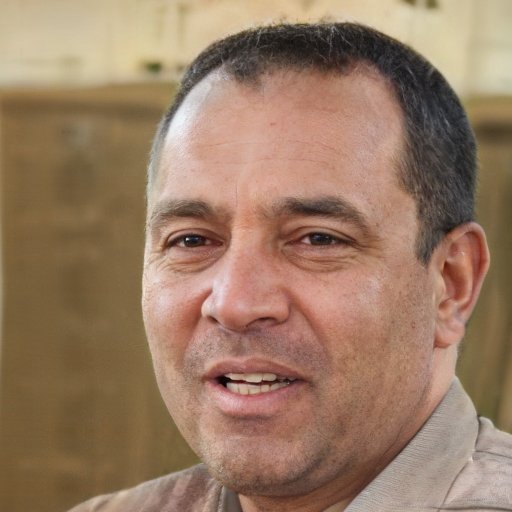
Robert Daniel is a highly respected Damage Restoration Expert with over 20 years of dedicated field experience. As a licensed professional, he has spent two decades restoring safety to residential and commercial properties throughout the region. Robert is recognized for his technical precision and authoritative knowledge in complex disaster recovery.
𝗖𝗲𝗿𝘁𝗶𝗳𝗶𝗰𝗮𝘁𝗶𝗼𝗻𝘀: He holds elite IICRC certifications in Water Damage Restoration (WRT), Mold Remediation (AMRT), Applied Structural Drying (ASD), Odor Control (OCT), and Fire and Smoke Restoration (FSRT).
𝗙𝗮𝘃𝗼𝗿𝗶𝘁𝗲 𝗣𝗮𝘀𝘁𝗶𝗺𝗲: Outside of work, Robert is an avid mountain biker and enjoys restoring antique furniture, a hobby that mirrors his professional passion for preservation.
𝗕𝗲𝘀𝘁 𝗣𝗮𝗿𝘁 𝗼𝗳 𝘁𝗵𝗲 𝗷𝗼𝗯: Robert finds the most fulfillment in seeing a family’s stress vanish as he transforms a damaged house back into a healthy, beautiful home.