Littlestown, PA · Adams County
Damage Restoration Services in Littlestown, PASewage Backup Cleanup & Storm Damage Repair
Damage Restoration Services in Littlestown run from emergency water extraction and storm damage repair to structural drying services.
Answered 24/7
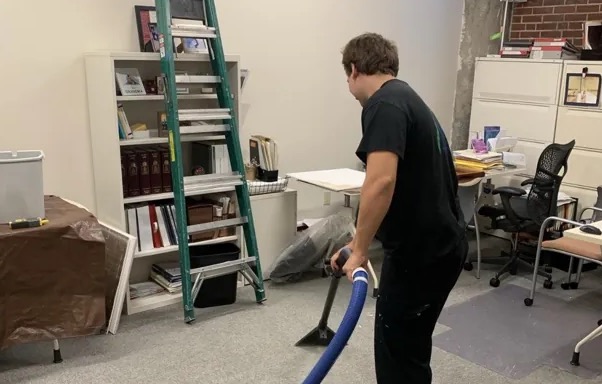
Local Damage Restoration Services for Littlestown Homes and Businesses
Storms in Littlestown can push water through roofs, windows and doors in a single night. Ceilings stain, carpet soaks and walls wick water upward.
A storm or burst pipe in Littlestown can damage several rooms overnight. Local water extraction experts serve Littlestown and nearby McSherrystown, Hanover and Taneytown, with help around the clock.
Full-Scope Damage Restoration Services in Littlestown, PA
Sewage Backup Cleanup
Carpet, pad and lower drywall soaked by sewage are bagged and removed before the area is disinfected and dried.
Storm Damage Repair
After a storm, water that came through the roof, windows or doors is extracted, and wet ceilings, walls and floors are dried.
Smoke Damage Cleanup
Soot on walls, ceilings and contents is removed with dry sponges and cleaners matched to the residue, and smoke odor is treated at its source.
Structural Drying Services
Air movers and dehumidifiers dry walls, subfloors and framing after extraction, with readings taken daily until each material is normal.
Fire Sprinkler Water Cleanup
Wet, soiled carpet and drywall from firefighting water are removed, and the remaining structure is dried and checked with readings.
When to Call for Damage Restoration Services in Littlestown
Visible Mold Colonies
Dark spots on walls, ceilings or carpet backing mean an area has stayed wet for days.
Sewage Odors in the Home
A sewage smell in the house can mean a drain backup or leaking drain line.
Increased Utility Bills
Higher water or energy bills can point to a hidden leak or wet insulation.
Sagging Drywall or Ceilings
Drywall or ceilings that sag are holding water and can fail. Keep people clear.
How Damage Restoration Services Work in Littlestown
Step 1: Emergency Response and Containment
Help is available any hour, and wet or contaminated areas are closed off from the rest of the building.
Step 2: Source Removal and Extraction
The leak or backup is stopped, and water and soaked materials are removed.
Step 3: Cleaning and Deodorization
Surfaces touched by dirty water are cleaned and disinfected, and odors are addressed.
Step 4: Drying and Verification
Drying continues until readings match unaffected areas of the building, and then the equipment is removed.
Frequent Sources of Flood Damage Restoration Calls
Accidental Overflow Incidents
Tubs, sinks and toilets left running overflow into the room and the floor below.
Poor Ventilation and Airflow
Poor ventilation keeps bathrooms and laundry rooms damp, slowly damaging walls and ceilings.
Severe Weather Events
Heavy storms push water through roofs, windows and doors into homes and businesses.
Foundation Cracks and Seepage
Foundation cracks let groundwater seep into lower levels and finished spaces after heavy rain.
Damage Restoration Services for Homes and Businesses in Littlestown
Residential Damage Restoration Services
Families with young children or pets should stay out of areas with sewage or floodwater until they are cleaned.
Commercial Damage Restoration Services
Restaurants, medical offices and schools need contaminated water cleanup that meets the health rules for those spaces before reopening.
Leave Damage Restoration Services to the Local Pros
Sewage and floodwater should not be cleaned up without gloves, boots and eye protection. For any backup through a drain or toilet, call local water extraction experts.
Factors Influencing Damage Restoration Services Cost in Littlestown, PA
In Littlestown, water extracted the same day usually costs much less to dry and repair than water left to soak for days.
Required Equipment
The number of pumps, extractors, air movers and dehumidifiers needed affects the total.
Post-Restoration Repairs
Drywall, flooring and other repairs after drying are separate from the water removal cost.
Structural Drying Time
Drying usually takes several days, and each day of equipment adds cost.
Does Insurance Cover Damage Restoration Services?
Many homeowner policies cover sudden water damage, like a burst pipe or appliance leak, but exclude slow leaks, outside flooding and sometimes sewer backups. Check your policy early.
Why Choose Local Pros for Damage Restoration Services in Littlestown
24/7 Emergency Response
Help is available day or night, so water is removed before it spreads further.
Containment
Plastic sheeting keeps contaminated or dusty work areas separate from clean rooms.
Careful Material Removal
Only materials that cannot be dried are removed, which keeps repairs smaller.
Always Available Emergency Damage Restoration Services
Water soaks floors and walls more every hour. Call (301) 804-1451 for damage restoration services in Littlestown at any hour, including weekends and holidays.
Call Now (301) 804-1451Damage Restoration Services Coverage for the Littlestown Region
The places below are also served, and each one has its own page.
- Damage Restoration Services in McSherrystown
- Damage Restoration Services in Hanover
- Damage Restoration Services in Taneytown
- Damage Restoration Services in Gettysburg
- Damage Restoration Services in Manchester
- Damage Restoration Services in Great Falls
- Damage Restoration Services in Martinsburg
- Damage Restoration Services in Sterling
Common Damage Restoration Services Queries Answered
What is included in emergency water extraction services?
Stopping the source, making power safe, pumping and extracting standing water and starting drying.
What is controlled removal during water damage restoration?
Cutting out only the drywall, flooring or insulation that readings show cannot be dried in place.
How do restoration pros find hidden moisture?
With moisture meters and thermal cameras that show water inside walls, under floors and above ceilings.
Is sewage backup cleanup dangerous to attempt myself?
It can be. Sewage carries bacteria, so cleanup needs protective gear, containment and disinfection.
What safety steps are used when removing water-damaged materials?
Containment, protective gear and air scrubbers keep dust and contamination in the work area.