Taneytown, MD · Carroll County
Water Damage Restoration in Taneytown, MDWater Removal & Structural Drying
Water Damage Restoration in Taneytown includes water removal, structural drying and water damage repair from local water extraction experts.
Answered 24/7
Water Damage Restoration Help for Taneytown Residents
Water that sits under flooring or behind a wall in Taneytown keeps causing damage long after the leak stops. Local water removal pros find it with moisture meters and thermal cameras, then dry it out.
The work is documented with photos and moisture readings, which helps when you file an insurance claim with your carrier.
In Taneytown and nearby Littlestown, Westminster and Gettysburg, most water damage starts with plumbing failures or appliance leaks. The pros extract the water and dry the structure, 24/7, for homes and businesses.
Comprehensive Water Damage Restoration for Taneytown
Each service below has its own page covering the warning signs, the work involved and what affects the cost.
Water Damage Services in Taneytown
Help for leaks, burst pipes, flooded rooms and wet ceilings, from water extraction to structural drying.
Warning Signs You Need Water Damage Restoration
Persistent Musty Odors in Rooms
A lingering earthy smell often means mold is growing somewhere you cannot see, usually where a leak went unnoticed.
Visible Mold Growth on Surfaces
Black, green or white spots on walls or baseboards point to moisture that has been there for days or longer.
Warped or Buckling Hardwood Floors
Wood floors that cup or separate have absorbed water. Caught early, controlled drying can often save the boards.
Unusual Water Stains on Ceilings
Discolored patches or rings on the ceiling usually mean a slow leak from a pipe or the roof above.
Active Dripping From Light Fixtures
Water dripping from a ceiling light is an electrical emergency. Shut off power to that area before anything else.
How Water Damage Restoration Works in Taneytown
Step 1: Site Inspection and Moisture Mapping
Moisture meters and thermal cameras show how far the water went, and the readings become a moisture map for the job.
Step 2: Water Removal Process
Submersible pumps and wet vacuums remove water from carpet, under flooring and other hard-to-reach spots.
Step 3: Targeted Drying and Monitoring
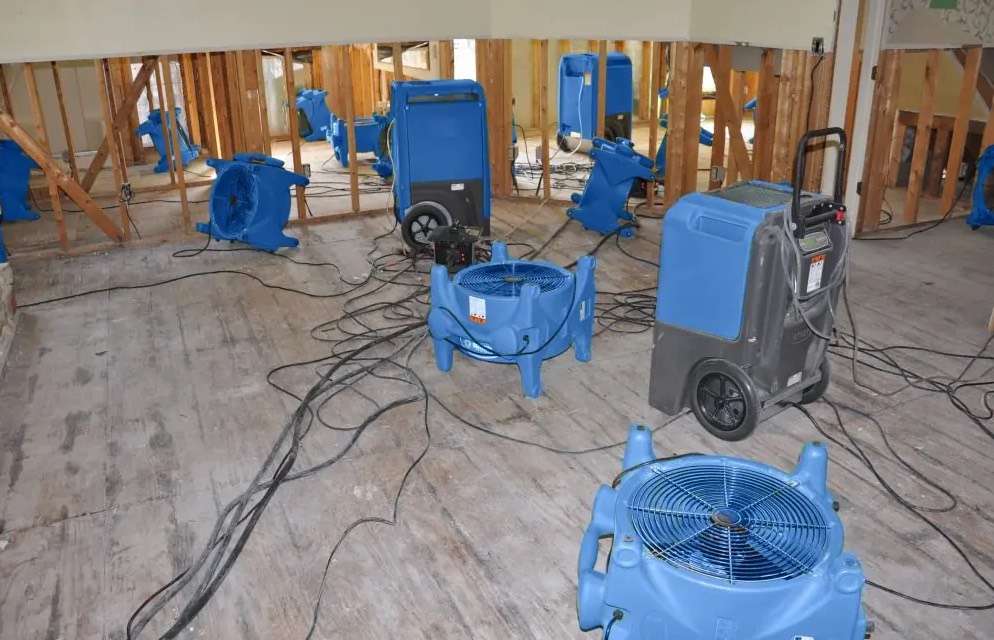
Drying equipment goes where the moisture map shows water, and pros adjust it each day as readings change.
Step 4: Mold Prevention and Cleanup
As drying finishes, surfaces are treated to slow mold growth. Any existing mold is removed under containment.
Common Causes of Water Damage in Taneytown
Foundation Cracks and Seepage
Saturated soil presses water through cracks in foundation walls or the slab, soaking lower floors.
Sprinkler System Leaks or Breaks
A broken underground irrigation line soaks the soil around the house, and that water can seep inside.
Sewer Line Backups or Blockages
Tree roots, debris or an overloaded city sewer can push contaminated water back up into the house.
Overflowing Bathtubs or Toilets
A clogged toilet or a tub left running can send gallons of water across floors and into the rooms nearby.
Appliance Malfunctions and Failures
Water heaters, washing machines and dishwashers leak or overflow when hoses wear out or parts fail.
Water Damage Restoration for All Properties in Taneytown
Residential Water Damage Restoration
In multi-story homes, water travels down through every level, so drying starts on the top floor and works down, with equipment set on each wet floor.
Commercial Water Damage Restoration
Water in a commercial ceiling can collapse tiles, ruin lighting and short HVAC controls. Pros remove the water, dry the ceiling space and point out the roof or envelope problem so it can be repaired.
Water Damage Restoration vs. DIY: When to Call for Help
Fans help with light surface dampness, but not with water inside walls, under floors or in insulation. That takes industrial air movers and dehumidifiers from the pros.
Estimating Water Damage Restoration Expenses in Taneytown
In Taneytown, delays raise the cost: water left sitting soaks deeper and can bring mold, which adds removal work.
Content Restoration Needs
Cleaning and drying furniture, belongings and documents is billed separately from the structure.
Duration of Saturation
The longer water sits, the deeper it soaks and the more likely mold becomes, which widens the job.
Affected Square Footage
The larger the wet area, the more labor, equipment and drying days the job needs.
Water Contamination Category
Clean water from a supply line is simplest. Grey water from appliances and black water from sewage need disinfection and protective gear, which costs more.
Does Insurance Cover Water Damage Restoration?
Mold is often covered only if it came from a covered water loss, and some policies cap or exclude it. Pros document the moisture source and how far the mold has spread.
Why Training and Equipment Matter for Water Damage Restoration
Sewage Cleanup Safety
For sewage backups, the pros use protective gear and disinfectants to deal with the contamination safely.
Containment Protocols
Plastic barriers keep dust, spores and odors out of the rest of your Taneytown home during the work.
Documentation for Insurance
Photos, daily logs and moisture readings give you a factual record of the damage and the work for your claim.
Structural Drying Expertise
Air movers and dehumidifiers are placed to suit your home's layout and materials, not set out at random.
24/7 Emergency Water Damage Restoration in Taneytown
Sewage backups and floods are health hazards. For emergency sewage cleanup or flood water removal in Taneytown, call (301) 804-1451 24/7.
Call Now (301) 804-1451Water Damage Restoration Frequently Asked Questions
What does water mitigation mean?
The first actions that keep damage from spreading: extracting water, setting drying equipment and removing wet materials.
What equipment is used for water extraction?
Truck-mounted or portable submersible pumps for deep water and wet vacuums for carpet and hard floors.
How do restoration pros document the damage?
Photos, video, written logs and moisture maps from meters and thermal cameras, kept for the job and your insurance claim.
How is water damage repair different from drying?
Drying removes the water; repair comes after, replacing drywall, reinstalling flooring and repainting the walls.
How are hardwood floors dried after a flooding incident?
Often with controlled drying and humidity control to stop cupping. Some boards may be lifted to dry the underside.
Why is quick action crucial for water damage cleanup?
Less water soaks in, drying is shorter and cheaper, and the risk of mold, which can start in 24 to 48 hours, drops.
All Restoration Services in Taneytown, MD
Water Damage1
Local Water Damage Restoration Areas Including Taneytown
Other places served are listed below, each with its own page.