
Trusted by 140+ Homeowners
What Are Early Warning Signs Of Water Damage?
- Over 143 5-Star Reviews
- Free Estimates and Quotes
- 100% Satisfaction Guaranteed
- Child, Family & Pet Safe Steps
- 24-Hour Emergency Service
- Fully Licensed & Insured

Early warning signs of water damage often appear as subtle changes in your home’s appearance and smell. Catching these signs early can prevent widespread destruction and costly repairs.
Look for discolored spots, musty odors, and peeling paint as key indicators of potential water issues before they become major problems.
TL;DR:
- Watch for visible signs like stains, peeling paint, and warped materials.
- Pay attention to unusual smells, especially musty or moldy odors.
- Listen for sounds of running water when no fixtures are in use.
- Check for increased humidity or condensation on surfaces.
- Address any signs of water intrusion promptly to prevent further damage.
What Are Early Warning Signs of Water Damage?
Discovering water damage early is key to minimizing its impact. You might not see a waterfall, but subtle clues can signal a problem. These signs often appear before a small leak becomes a big disaster. Understanding these early indicators helps you act quickly to protect your home.
Visible Clues You Can’t Ignore
The most obvious signs are visual. Keep an eye out for discoloration on ceilings and walls. These spots might look like rings or patches. They can range from light yellow to dark brown, depending on the material and how long the water has been present. Don’t dismiss them as simple stains; they are often a sign of something more serious.
Peeling or bubbling paint is another tell-tale sign. When moisture gets behind the paint, it loosens its grip on the surface. This often happens in bathrooms or kitchens where humidity is higher. It’s a clear indication that water is seeping into your home’s structure.
You might also notice warped or sagging materials. This can affect drywall, wood trim, or even flooring. Wood, in particular, swells when wet and can start to warp. This is a sign of prolonged exposure to moisture and might indicate damage inside walls and floors.
Warped Flooring and Baseboards
Your floors can tell a story of water damage. If your hardwood floors start to cup or warp, it’s a major red flag. Laminate or vinyl flooring might begin to lift or bubble. Even baseboards can show signs of distress, appearing swollen or detached from the wall. These are clear indicators that water is getting under your living space.
Stains and Water Marks
Water stains are perhaps the most common visual cue. You’ll see them on ceilings, walls, and sometimes even furniture. These stains are the residue left behind after water has soaked into a surface and then dried. They can grow over time and signal recurring leaks. It’s important to investigate the source of these marks to prevent structural issues after moisture exposure.
The Smell of Trouble: Musty Odors
Sometimes, you can’t see the damage, but you can smell it. A persistent musty or moldy odor is a strong indicator of water damage. This smell often comes from mold or mildew growing in damp, dark places. These organisms thrive in moisture and can spread quickly. The odor can be faint at first but grows stronger as the mold develops. Addressing mold is critical for your health.
This smell is often most noticeable after rain or in humid conditions. If you walk into a room and detect a damp, earthy smell, it’s time to investigate. It could be hiding behind walls, under carpets, or in your basement. Ignoring this smell can lead to serious health risks from mold exposure.
Mold and Mildew Growth
Visible mold is a definitive sign of water damage. It can appear as black, green, or white fuzzy patches. Mold loves damp environments. You might find it in bathrooms, kitchens, basements, or anywhere moisture accumulates. The presence of mold means there has been water intrusion. This is a clear signal that you need professional restoration after property damage.
Sounds That Signal a Leak
Listen carefully to your home. Sometimes, the first sign of water damage isn’t visual; it’s auditory. Do you hear the sound of dripping water when no faucets are running? Perhaps you hear a faint trickle or gurgling sound. This could indicate a leak within your walls or plumbing system. Don’t wait to get help if you hear these sounds.
A constant dripping sound, even a quiet one, can mean a slow leak is occurring. This is especially true if it seems to come from inside a wall or ceiling. These sounds are your home’s way of telling you something is wrong. Prompt attention can prevent much larger problems down the line.
Unexpected Humidity and Condensation
An increase in indoor humidity can be a subtle warning sign. If your home feels unusually damp or clammy, it might be due to a water issue. You might notice condensation forming on windows, pipes, or even on the outside of your cold drinks. This is a sign that the air is saturated with moisture.
This excessive moisture can lead to mold growth and further damage. It’s important to identify the source of the extra humidity. It could be a leaky pipe, poor ventilation, or water seeping into your crawl space. Understanding these issues can help you identify crawl space moisture problems.
Condensation on Pipes and Windows
Condensation on pipes, especially in basements or under sinks, is a common sign of leaks or high humidity. If you see water beading up on cold water pipes, it might be more than just normal condensation. It could be a sign of a leak nearby. Similarly, excessive condensation on windows can indicate that warm, moist air is trapped inside your home.
Hidden Damage: What You Can’t See
Many water damage issues are hidden from view. They can occur behind walls, under floors, or in attics and crawl spaces. Signs of this hidden damage can be more subtle. This is where understanding potential problem areas is important. You might need to look for signs of hidden damage that needs inspection.
Consider areas like your basement or crawl space. These areas are prone to water accumulation. Signs of water in these spaces can include dampness, moldy smells, or visible water. It’s essential to check these areas regularly, especially if you live in a region with heavy rainfall or high water tables. Ignoring water under the living space can lead to serious structural compromise.
Issues Behind Wallpaper and Drywall
If you notice wallpaper starting to peel or bubble, it’s a strong indicator of moisture behind it. This is a common sign of water damage that often goes unnoticed until it becomes quite extensive. The same applies to drywall. Look for soft spots, discoloration, or crumbling sections of drywall. These are clear signs of damage inside walls and floors.
Exterior Wall Moisture
Don’t forget to check the outside of your home. Cracks in the foundation, damaged siding, or clogged gutters can all lead to water intrusion. You might see water stains running down exterior walls or signs of mold growth. Addressing moisture damage in exterior walls is crucial for preventing water from entering your home.
When to Call the Pros
If you spot any of these early warning signs, it’s important to act fast. Small leaks can quickly turn into major water damage problems. This can lead to mold growth, compromised structures, and expensive repairs. If you’re unsure about the extent of the damage, or if you see signs of mold, it’s time to call in the experts.
The sooner you address water damage, the less costly and disruptive the restoration process will be. A professional restoration company has the tools and expertise to find the source of the leak, dry out the affected areas thoroughly, and repair the damage. They can help prevent long-term issues like mold and structural weakness. It’s always best to schedule a free inspection if you suspect water damage.
Conclusion
Recognizing the early warning signs of water damage is your first line of defense in protecting your home. From visual cues like stains and peeling paint to musty odors and unusual sounds, these indicators are your home’s way of signaling distress. By staying vigilant and understanding what to look for, you can address potential problems before they escalate. If you suspect water damage, don’t hesitate to seek professional help. Frederick Damage Restoration Pros is a trusted resource ready to assist you in restoring your property and peace of mind.
What are the most common places to find water damage?
The most common areas for water damage are bathrooms, kitchens, basements, attics, and laundry rooms. These areas often have plumbing fixtures, appliances that use water, or are more susceptible to external moisture intrusion. Leaks from pipes, toilets, sinks, dishwashers, washing machines, and roofs are frequent culprits.
How quickly can water damage spread?
Water damage can spread incredibly fast. Within 24-48 hours, mold can begin to grow in damp areas. Structural materials like drywall and wood can start to weaken and degrade within days. The longer water sits, the more extensive and costly the damage becomes. Act before it gets worse.
Can I clean up minor water damage myself?
For very minor, surface-level water spills that are cleaned up immediately, you might be able to handle it yourself. However, if water has soaked into porous materials like carpet, drywall, or wood, or if you suspect mold growth, it’s best to call a professional. DIY cleanup can sometimes lead to hidden moisture that causes future problems.
What are the health risks associated with water damage?
The primary health risk associated with water damage is mold exposure. Mold can cause allergic reactions, asthma attacks, and other respiratory problems. Some types of mold can produce mycotoxins, which can be harmful. Damp environments can also attract pests.
How can I prevent water damage in my home?
Prevention involves regular maintenance. Check your roof and gutters, inspect plumbing for leaks, seal cracks in your foundation, and ensure proper ventilation in bathrooms and kitchens. Consider installing water leak detectors in vulnerable areas. Regular checks can help you get expert advice today.
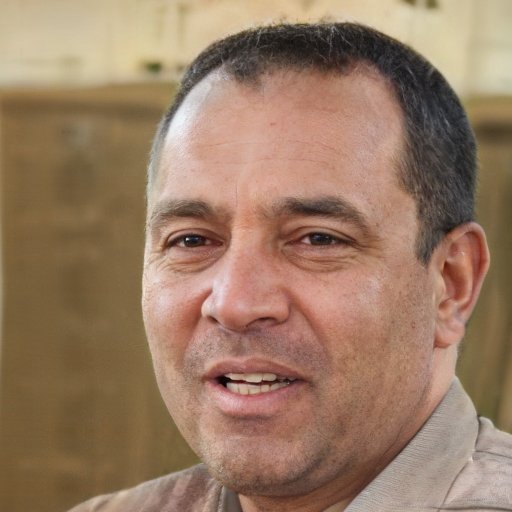
Robert Daniel is a highly respected Damage Restoration Expert with over 20 years of dedicated field experience. As a licensed professional, he has spent two decades restoring safety to residential and commercial properties throughout the region. Robert is recognized for his technical precision and authoritative knowledge in complex disaster recovery.
𝗖𝗲𝗿𝘁𝗶𝗳𝗶𝗰𝗮𝘁𝗶𝗼𝗻𝘀: He holds elite IICRC certifications in Water Damage Restoration (WRT), Mold Remediation (AMRT), Applied Structural Drying (ASD), Odor Control (OCT), and Fire and Smoke Restoration (FSRT).
𝗙𝗮𝘃𝗼𝗿𝗶𝘁𝗲 𝗣𝗮𝘀𝘁𝗶𝗺𝗲: Outside of work, Robert is an avid mountain biker and enjoys restoring antique furniture, a hobby that mirrors his professional passion for preservation.
𝗕𝗲𝘀𝘁 𝗣𝗮𝗿𝘁 𝗼𝗳 𝘁𝗵𝗲 𝗷𝗼𝗯: Robert finds the most fulfillment in seeing a family’s stress vanish as he transforms a damaged house back into a healthy, beautiful home.