Frederick, MD · Frederick County
Mold Testing Services in Frederick, MDMusty Odor Source Investigation & Air Quality Mold Testing
Mold Testing Services for Frederick includes surface mold sampling, HVAC mold inspection, and post-remediation verification testing.
Answered 24/7
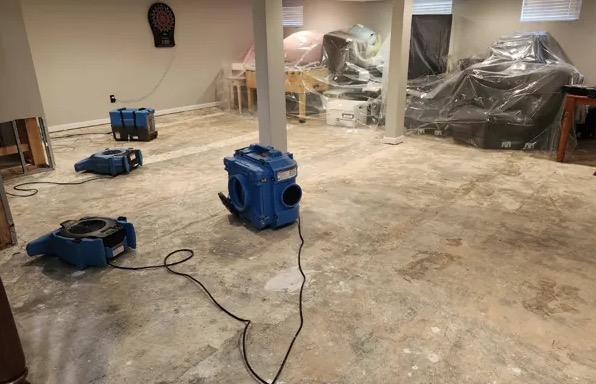
Local Mold Testing Services for Frederick Homes
Mold sampling in Frederick provides concrete evidence of contamination levels and spore types. This data is foundational for making informed decisions about your property.
Home mold test procedures help uncover problems that simple visual checks miss for properties in Frederick. Local indoor air quality experts use IICRC-standard methods for mold sampling and assessment.
Detailed Mold Testing Services for Frederick Properties
Musty Odor Source Investigation
Musty odors often lead to mold discovery. Professionals check damp-prone areas like under sinks and around windows. The goal is finding the wet material feeding growth to address the root cause.
Air Quality Mold Testing
This method captures spores circulating in living spaces. It detects mold not visible to the eye, like behind walls. The pros analyze samples to find type and concentration.
Mold Assessment Report Services
Quantifying airborne mold spores is a core step. Calibrated equipment collects samples from key rooms. The resulting data reveals hidden mold activity, which is important for homes with allergy symptoms or musty odors but no visible growth.
Surface Mold Sampling
Surface mold sampling collects mold from visible growth on building materials. The pros use tape lifts, swabs, or bulk samples for laboratory identification. This confirms the mold type present on surfaces in Frederick.
HVAC Mold Inspection
HVAC inspection is key for comprehensive mold testing. Experts assess components for moisture issues. Air samples from supply vents check for spore spread through the home's central air.
When to Schedule Mold Testing Services for Your Frederick Home
High Indoor Humidity Levels
Consistently high humidity above 60 percent fosters mold growth, a primary concern for mold detection services to investigate.
Recent Water Damage History
Past leaks or flooding create ideal conditions for mold, making professional mold inspection a smart follow-up to water damage.
Recent Renovation or Construction Dust
Construction can disturb existing mold colonies, releasing spores into the air and necessitating post-remediation verification testing.
Ineffective or Old HVAC Systems
Older air handling units can circulate mold spores, making HVAC mold inspection a critical component of home mold test.
How Mold Testing Services Work in Frederick
Step 1: Comprehensive Property Assessment
The pros conduct a thorough walkthrough, noting visible signs, moisture meters, and using thermal imaging to find hidden dampness that could harbor mold.
Step 2: Strategic Mold Spore Testing
Based on the assessment, pros perform targeted air quality testing and surface mold sampling in affected zones and control areas for comparison.
Step 3: Expert Mold Lab Results Interpretation
Once the mold lab results are received, the pros analyze the data to determine if spore levels are elevated and identify any toxic species present.
Step 4: Clear Findings and Recommendations Summary
A final report summarizes the professional mold inspection findings, provides the lab analysis, and outlines potential next steps based on the severity identified.
What Leads to Mold Problems in Frederick
Humidifier Overuse or Malfunction
Excessive use of humidifiers, especially in tightly sealed homes, can elevate indoor humidity levels beyond the recommended range.
Roof or Plumbing Leaks
Slow drips from compromised pipes or roofing materials introduce moisture into wall cavities and ceilings, encouraging mold growth.
Clogged Gutters and Downspouts
Blocked drainage systems cause water to overflow and pool near the foundation, promoting moisture penetration into the structure.
Faulty or Overflowing Appliances
Malfunctioning water heaters, washing machines, or dishwashers can release large volumes of water, soaking adjacent materials rapidly.
Home & Business Mold Testing Services in Frederick, MD
Residential Mold Testing Services
A professional mold inspection for your home investigates common problem areas like bathrooms, basements, and attics. The service combines visual checks with advanced tools for moisture and spore detection. You gain an understanding of any air quality concerns.
Commercial Mold Testing Services
In commercial settings, mold testing services are a proactive measure for facility management. They help identify issues before they escalate, potentially avoiding costly repairs and closures. The experts provide the documentation needed for informed actions.
Mold Testing Services vs. DIY: When to Call Mold Detection Specialists
Improve air quality by changing HVAC filters and keeping ducts clean. Keep gutters clear and extend downspouts. After major water damage, invest in a comprehensive mold assessment report from specialists.
Understanding Mold Testing Services Pricing in Frederick
Professional mold inspection pricing in Frederick varies based on the complexity of the job, such as needing access to wall cavities or conducting post-remediation verification testing for clearance.
Post-Remediation Verification
Clearance testing after mold cleanup requires a separate, controlled inspection to confirm all spores are removed, adding to the service.
Access Challenges
Difficult-to-reach areas needing testing can increase the time required for the specialists to complete a thorough inspection.
HVAC System Inspection
Checking air handlers and ducts for contamination is a specialized task that expands the basic mold detection services protocol.
Does Insurance Cover Mold Testing Services?
Home mold test services are rarely a standalone covered expense. Coverage is more likely if testing is part of investigating a larger, covered water loss. The pros compile evidence like photos and lab analysis services results for the claim file.
Advantages of Mold Testing Services from Local Specialists in Frederick
Comprehensive Testing Approach
The service includes air quality mold testing, surface mold sampling, and often wall cavity moisture testing for a complete picture.
Focus on Source Identification
Beyond just finding mold, the goal is to pinpoint moisture sources causing the growth to prevent it from returning.
Detailed Mold Assessment Reports
You receive a comprehensive document explaining mold lab results, moisture readings, and findings from the musty odor source investigation.
Urgent Mold Testing Services When You Need It in Frederick
A musty smell or visible spores after water damage warrants an immediate call. For 24/7 emergency mold air testing and a thorough HVAC mold inspection, contact (301) 804-1451. Prompt action by the specialists helps contain the issue and plan an effective response.
Call Now (301) 804-1451Mold Testing Services Coverage in and Around Frederick
Professional mold testing services is essential for homes in Frederick and nearby areas like Ballenger Creek, Walkersville and Linganore. The specialists provide thorough air quality testing and mold sampling.
Common Mold Testing Services Questions Answered
How do mold detection services help with insurance?
A professional mold inspection provides documented evidence of damage extent and potential cause, which you can submit to your insurer as part of your claim documentation.
Is mold testing necessary after a small water leak?
If the leak was addressed quickly and thoroughly dried, testing may not be needed. Testing is advisable if drying was delayed or a musty odor develops.
What is involved in a musty odor source investigation?
The specialists systematically check common moisture sources, use moisture meters, and may take air samples to trace the origin of persistent odors that suggest hidden mold.
Does mold air testing detect all contaminants?
Air quality mold testing is designed to detect airborne mold spores; it does not identify other pollutants like VOCs or bacteria without specific additional testing.
Can mold testing determine if mold is active?
Lab results show spore types and concentrations, which experts interpret alongside moisture readings and visual clues to assess whether growth is likely active or old.