Frederick, MD · Frederick County
Fire Odor Removal in Frederick, MDSmoke Residue Surface Cleaning & Ozone Generator Odor Removal
Fire Odor Removal for Frederick often involves ozone generator odor removal, smoke residue surface cleaning and HVAC duct smoke cleaning after a fire.
Answered 24/7
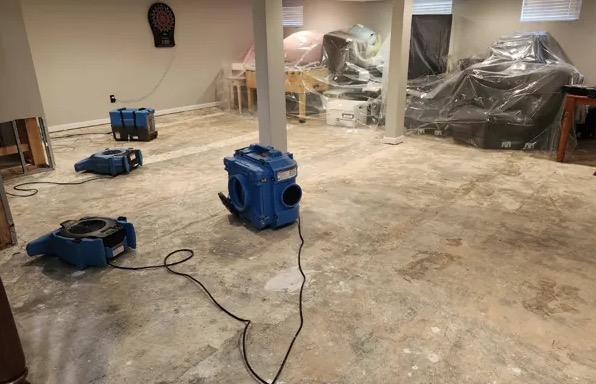
Professional Fire Odor Removal in Frederick, MD
Smoke restoration in Frederick deals with both visible soot and the invisible odor that lingers. It is needed to make a home safe and comfortable again after the fire is out.
In Frederick and nearby Ballenger Creek, Walkersville and Linganore, removing fire odor is important after any fire. Local odor remediation experts use ozone generators and sealers to remove lasting smells across ZIP codes 21701, 21702, 21703, 21704, 21709 and 21705.
Professional Fire Odor Removal Methods Used in Frederick
Smoke Residue Surface Cleaning
Every affected surface is cleaned with solutions that lift and trap soot particles so odors do not come back.
Ozone Generator Odor Removal
Ozone is used only in unoccupied, controlled spaces under strict safety steps, leaving no masking scent behind.
Smoke Odor Sealing Service
Specialists apply sealers made for fire restoration so materials stop releasing odor before rebuilding.
Smoke Odor Neutralization Service
The experts use advanced filtration to remove fine soot and odor molecules from the air in homes in Frederick.
Emergency Smoke Odor Containment
Pros may set up portable air scrubbers and seal doorways to confine odor and stabilize the home.
Indicators You Require Professional Fire Odor Removal
Yellowing or Browning of Surfaces
Yellowed paint, plastics or countertops show acidic smoke residue that keeps releasing odor.
Smoke Odor in Closed Cabinets
A strong smell inside closed cabinets or closets shows how far the smoke reached.
Contents Still Smell After Washing
Belongings that still smell after washing need specialized contents cleaning by the experts.
Irritated Eyes or Respiratory Discomfort
Coughing or burning eyes indoors point to smoke particles still in the air.
How Fire Odor Removal Works in Frederick
Step 1: First Call and Odor Source Containment
The experts contain affected areas first so odor does not spread to clean rooms during cleanup.
Step 2: Dry and Wet Soot Extraction Process
Specialized vacuums and sponges remove dry and wet soot so surfaces are ready for deodorizing.
Step 3: Ozone Generator Odor Oxidation Cycle
For severe odors, an ozone cycle runs in sealed areas to destroy odor molecules chemically.
Step 4: Final Cleaning and Reinstallation of Contents
A final cleaning is done and cleaned belongings are put back in place.
What Causes Persistent Smoke Odors in Frederick
Contained Oven or Stovetop Fire
Even a small cooking fire sends smoke through the HVAC system and into other rooms.
Fireplace or Chimney Backdraft
A chimney backdraft can blow smoke into living areas and leave strong odor nearby.
Electrical Malfunction or Overheating
Burning wires or overheated appliances release acrid plastic smoke with a harsh odor.
Kitchen Grease Fire Damage
Grease fires produce oily smoke that coats surfaces with sticky, strong-smelling residue.
Fire Odor Removal Services for All Properties in Frederick
Residential Fire Odor Removal
At home, smoke settles in attics and crawl spaces, so pros purify the air there and clean belongings carefully.
Commercial Fire Odor Removal
In hotels and multi-unit buildings, odor can move between units, so specialists contain it and use ozone to protect other tenants.
Why DIY Often Fails for Fire Odor Removal in Frederick
You can vacuum upholstery and carpet with a HEPA vacuum to remove loose soot and clean visible residue from windows and mirrors. For odor in fabrics or walls, contact the experts, since the wrong cleaning can set odors.
Estimating Fire Odor Removal Costs for Frederick Properties
The cost in Frederick depends on how far the smell went into porous materials and how much square footage is affected, along with soot levels and air treatment needed.
Affected Square Footage
The total area needing odor treatment drives labor, equipment and material costs.
Soot Residue Level
Heavy, oily soot takes more labor and specific cleaners to remove from surfaces.
Content Cleaning Scope
The number and type of belongings that need cleaning affects materials and the timeline.
Does Insurance Cover Fire Odor Removal?
Coverage for smoke restoration depends on your individual policy. Pros keep a thorough record of the damage for you to give your insurer for review.
Why Choose Local Odor Remediation Experts for Fire Odor Removal in Frederick
24/7 Emergency Response
Pros are available around the clock to contain odor after a fire.
Content-Centric Cleaning Process
Belongings are cleaned and deodorized to save as many items as possible.
Documentation for Insurance
The damage and every step of the work are documented for your insurance claim.
Emergency Fire Odor Removal Response for Frederick
Lingering fire odor needs prompt treatment. To start emergency odor removal, including thermal fogging setup, contact the experts around the clock at (301) 804-1451.
Call Now (301) 804-1451Fire Odor Removal Throughout Frederick, Ballenger Creek, Walkersville and Linganore
Containment, cleaning and deodorizing after a fire are available in Frederick and areas like Ballenger Creek, Walkersville and Linganore.
Fire Odor Removal FAQs
Why does smoke odor removal sometimes fail?
It can fail when a source is missed or the ducts are not cleaned, which lets odor recirculate through the house.
What is smoke odor removal?
It is a professional process that removes fire smells with air purification, thermal fogging and ozone, treating the source instead of masking it.
Will smoke odor air purification remove the smell completely?
It greatly reduces airborne odor, but it works well only when combined with surface cleaning that removes the source.
How does thermal fogging work for odor treatment?
A heated deodorizer forms a fog that travels into materials like smoke did and neutralizes odor trapped in upholstery and wood.
What happens during post fire cleaning?
Soot removal, contents cleaning, deodorizing the structure and air, and a final check that odors are gone.