Waynesboro, PA · Franklin County
Damage Restoration Services in Waynesboro, PAMold Remediation Services & Structural Drying Services
Homeowners in Waynesboro get Damage Restoration Services for sewage backup cleanup, emergency water extraction and storm damage repair.
Answered 24/7
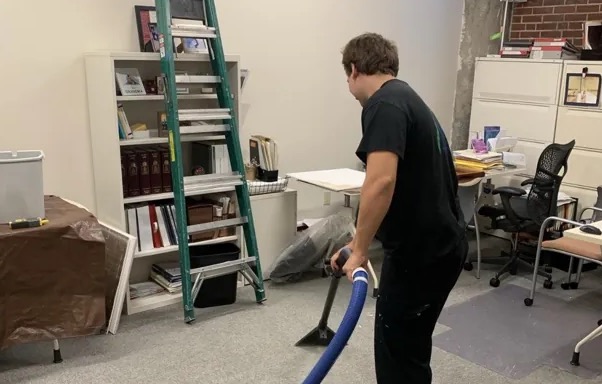
Local Damage Restoration Services for Waynesboro Homes and Businesses
Damage Restoration Services in Waynesboro end when the structure is dry and ready for repairs. Photos, readings and a list of removed materials give you and your insurer a clear record.
A storm or burst pipe in Waynesboro can damage several rooms overnight. Local restoration pros serve Waynesboro and nearby Smithsburg, Greencastle and Hagerstown, with help around the clock.
Damage Restoration Services Available for Waynesboro
Mold Remediation Services
The moisture source is found and stopped first, since mold returns if the area keeps getting wet.
Structural Drying Services
The drying plan is adjusted each day, moving equipment from dry areas to areas that still read wet.
Fire Sprinkler Water Cleanup
Wet, soiled carpet and drywall from firefighting water are removed, and the remaining structure is dried and checked with readings.
Firefighting Water Cleanup
The water side of a fire loss is handled first: extraction, removal of soaked materials and drying, with photos kept for insurance.
Emergency Water Extraction
Water is followed under baseboards and into nearby rooms, and every wet area is extracted, not just the visible puddle.
Signs of Damage Requiring Damage Restoration Services
Increased Utility Bills
Higher water or energy bills can point to a hidden leak or wet insulation.
Visible Mold Colonies
Dark spots on walls, ceilings or carpet backing mean an area has stayed wet for days.
Water Left After Firefighting
Wet ceilings, walls and floors in rooms near a fire need extraction and drying, even if they did not burn.
Active Water Drips or Pools
Dripping water or pooling on floors means an active leak that needs attention now.
How Damage Restoration Services Work in Waynesboro
Step 1: Initial Inspection and Scope
The type of water, the rooms affected and any damage to floors below are recorded.
Step 2: Water and Debris Removal
Water, mud and wet debris are cleared so drying equipment can be placed.
Step 3: Drying Process
Wall cavities, subfloors and ceilings get directed airflow, adjusted as readings change.
Step 4: Final Cleaning and Repair Prep
The area is cleaned and a list of needed repairs is provided for the contractor.
Common Causes of Property Water Damage in Waynesboro
Faulty Appliance Discharges
Washers, water heaters and dishwashers can fail without warning and flood floors and cabinets.
Sewer Line Backups
Blocked sewer lines push wastewater up through floor drains, tubs and toilets on lower floors.
Firefighting Water
Water from hoses and sprinklers used to put out a fire soaks rooms throughout the building.
Accidental Overflow Incidents
Tubs, sinks and toilets left running overflow into the room and the floor below.
Damage Restoration Services for Every Building Type
Residential Damage Restoration Services
Homeowners often worry most about belongings. Furniture and keepsakes are moved out of the water first, then the structure is dried.
Commercial Damage Restoration Services
Property managers with several units or buildings get separate records for each, which keeps repairs and claims organized.
The Risks of DIY Damage Restoration Services Attempts
Fans and open windows help surfaces dry, but hidden water inside walls and under floors needs dehumidifiers and moisture readings to confirm it is really gone.
The Variables in Damage Restoration Services Pricing
The cost of damage restoration services in Waynesboro depends on how much water there is, what type of water it is and how many rooms and materials it reached.
Extent of Damage
More rooms and materials affected means more extraction, more removal and more drying time.
Material Disposal Needs
Contaminated or ruined materials must be bagged and disposed of, which adds handling fees.
Post-Restoration Repairs
Drywall, flooring and other repairs after drying are separate from the water removal cost.
Does Insurance Cover Damage Restoration Services?
Photos, moisture readings and daily drying logs from local restoration pros help support an insurance claim for water damage in Waynesboro.
Benefits of Local Damage Restoration Services in Waynesboro
Detailed Documentation
Photos, readings and drying logs are kept to support your insurance claim.
Industry Drying Standards
Drying follows industry water damage standards, with moisture readings taken at every visit.
Damage Assessment
The whole affected area is checked, including rooms next to and below the source.
24/7 Damage Restoration Services Response for Waynesboro
Water damage in Waynesboro? Shut off the source, turn off power to wet areas if safe and call (301) 804-1451. Help is available 24/7.
Call Now (301) 804-1451Damage Restoration Services Coverage for the Waynesboro Region
Other places served are listed below, each with its own page.
- Damage Restoration Services in Smithsburg
- Damage Restoration Services in Greencastle
- Damage Restoration Services in Hagerstown
- Damage Restoration Services in Thurmont
- Damage Restoration Services in Chambersburg
- Damage Restoration Services in Eldersburg
- Damage Restoration Services in Purcellville
- Damage Restoration Services in Ranson
FAQs About the Damage Restoration Services Process
What is the goal of water damage recovery?
To remove the water, dry the structure fully and leave it ready for repairs without hidden moisture.
What safety steps are used when removing water-damaged materials?
Containment, protective gear and air scrubbers keep dust and contamination in the work area.
How long does the structural drying process usually take?
Often several days, depending on the materials, how long they were wet and how much water there was.
What is controlled removal during water damage restoration?
Cutting out only the drywall, flooring or insulation that readings show cannot be dried in place.
What does storm damage repair usually involve for water?
Tarping roof openings, extracting water that came in, removing soaked materials and drying the structure.