Crofton, MD · Anne Arundel County
Damage Restoration Services in Crofton, MDMold Remediation Services & Emergency Water Extraction
Damage Restoration Services in Crofton run from emergency water extraction and storm damage repair to structural drying services.
Answered 24/7
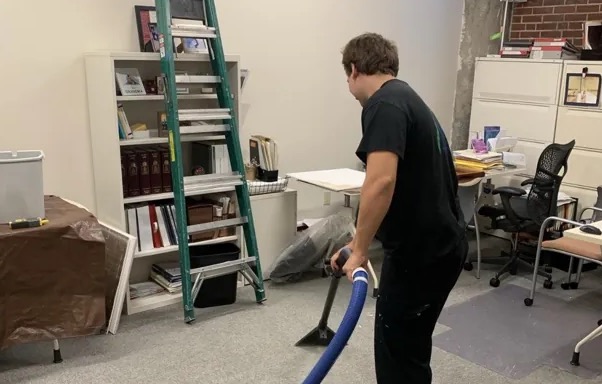
Local Damage Restoration Services for Crofton Homes and Businesses
Storms in Crofton can push water through roofs, windows and doors in a single night. Ceilings stain, carpet soaks and walls wick water upward.
Homes and businesses in Crofton and nearby Odenton, Bowie and Fort Meade face water damage from plumbing, storms and sewer backups. Help with damage restoration services covers extraction, structural drying and cleanup after each.
Full-Scope Damage Restoration Services in Crofton, MD
Mold Remediation Services
Wet materials are dried quickly to keep mold from starting, and framing that stayed damp can be treated after drying.
Emergency Water Extraction
Water is followed under baseboards and into nearby rooms, and every wet area is extracted, not just the visible puddle.
Fire Sprinkler Water Cleanup
Wet, soiled carpet and drywall from firefighting water are removed, and the remaining structure is dried and checked with readings.
Sewage Backup Cleanup
Carpet, pad and lower drywall soaked by sewage are bagged and removed before the area is disinfected and dried.
Structural Drying Services
Structural drying targets the materials water soaked into, using directed airflow into wall cavities and under flooring.
Warning Signs You Need Damage Restoration Services in Crofton
Persistent Dampness in Carpets
Carpet that stays damp days after a spill or leak is holding water in the pad.
Active Water Drips or Pools
Dripping water or pooling on floors means an active leak that needs attention now.
Increased Utility Bills
Higher water or energy bills can point to a hidden leak or wet insulation.
High Indoor Humidity Levels
A home that feels humid and clammy may have wet materials releasing moisture.
How Damage Restoration Services Work in Crofton
Step 1: Initial Inspection and Scope
The type of water, the rooms affected and any damage to floors below are recorded.
Step 2: Water and Debris Removal
Water, mud and wet debris are cleared so drying equipment can be placed.
Step 3: Drying Process
Wall cavities, subfloors and ceilings get directed airflow, adjusted as readings change.
Step 4: Final Cleaning and Repair Prep
The area is cleaned and a list of needed repairs is provided for the contractor.
Frequent Sources of Flood Damage Restoration Calls
Plumbing System Failures
Burst pipes, failed fittings and leaking supply lines release water inside walls and floors.
Poor Ventilation and Airflow
Poor ventilation keeps bathrooms and laundry rooms damp, slowly damaging walls and ceilings.
HVAC Condensation Issues
Clogged AC condensate lines overflow into closets, attics and the ceilings below them.
Faulty Appliance Discharges
Washers, water heaters and dishwashers can fail without warning and flood floors and cabinets.
Both Home and Business Damage Restoration Services in Crofton
Residential Damage Restoration Services
Families with young children or pets should stay out of areas with sewage or floodwater until they are cleaned.
Commercial Damage Restoration Services
Restaurants, medical offices and schools need contaminated water cleanup that meets the health rules for those spaces before reopening.
The Risks of DIY Damage Restoration Services Attempts
Shutting off the water, turning off power to wet rooms and moving belongings are the right first steps. Call local restoration pros if water reached carpet, walls, ceilings or more than one room.
What Affects the Price of Damage Restoration Services
Repairs to drywall, flooring and roofs are separate from water removal and drying. In Crofton, they follow once the structure is dry.
Type of Contaminant
Clean water costs less to handle than sewage or floodwater, which needs disinfection and more removal.
Structural Drying Time
Drying usually takes several days, and each day of equipment adds cost.
Material Disposal Needs
Contaminated or ruined materials must be bagged and disposed of, which adds handling fees.
Does Insurance Cover Damage Restoration Services?
Insurers often ask what caused the water and when it started. Notes on the source and the damage pattern help answer those questions.
The Value of Professional Damage Restoration Services
Repair Planning
Records of what was removed and dried help the contractor plan repairs after drying.
Odor Control
Odors are handled by drying and removing wet materials, with deodorizing where needed.
Damage Assessment
The whole affected area is checked, including rooms next to and below the source.
Round-the-Clock Damage Restoration Services Response in Crofton
The faster water is removed, the more of your home can be saved. Call (301) 804-1451 for damage restoration services in Crofton as soon as you find it.
Call Now (301) 804-1451Damage Restoration Services Coverage for the Crofton Region
Other places served are listed below, each with its own page.
- Damage Restoration Services in Odenton
- Damage Restoration Services in Bowie
- Damage Restoration Services in Fort Meade
- Damage Restoration Services in Severna Park
- Damage Restoration Services in Severn
- Damage Restoration Services in Stephens City
- Damage Restoration Services in Berkeley Springs
- Damage Restoration Services in Hancock
Your Damage Restoration Services Questions Addressed
How are odors handled after water damage?
By removing wet materials and drying the structure fully. Deodorizing is used if a smell remains.
What is the goal of water damage recovery?
To remove the water, dry the structure fully and leave it ready for repairs without hidden moisture.
How are belongings tracked during water damage restoration?
Items are photographed and listed by room, noting what was cleaned, stored or discarded.
How do restoration pros find hidden moisture?
With moisture meters and thermal cameras that show water inside walls, under floors and above ceilings.
What items can be saved after water damage?
Hard items and solid wood often can. Items soaked by sewage or floodwater, especially soft ones, usually cannot.