
Trusted by 140+ Homeowners
Can A House Be Fully Restored After A Major Fire?
- Over 143 5-Star Reviews
- Free Estimates and Quotes
- 100% Satisfaction Guaranteed
- Child, Family & Pet Safe Steps
- 24-Hour Emergency Service
- Fully Licensed & Insured

Yes, a house can often be fully restored after a major fire.
While severe fires can cause extensive damage, professional restoration techniques can bring most homes back to their pre-fire condition.
TL;DR:
- Major fire damage is serious but often repairable.
- Professional restoration involves cleaning, repairing, and rebuilding.
- Soot and smoke require specialized removal to prevent long-term issues.
- Structural integrity must be assessed and restored.
- The goal is to return your home to a safe and livable state.
Can a House Be Fully Restored After a Major Fire?
Facing the aftermath of a major house fire is overwhelming. You might wonder if your home can ever truly be the same. The good news is that, in most cases, a house can indeed be fully restored after a major fire. It’s a complex process, but with the right expertise, your property can be brought back to a safe and comfortable living space. The key is understanding the scope of the damage and employing specialized restoration methods.
Assessing the Extent of Fire Damage
The first step after a fire is a thorough assessment. Firefighters may have caused water damage from their efforts. Structural engineers need to check for weakened beams or walls. We need to understand if the fire was contained or spread widely. This evaluation helps create a detailed restoration plan.
Understanding Fire’s Impact
Fires leave behind more than just visible charring. Smoke residue after a fire can penetrate deep into materials. This residue is acidic and corrosive. It can damage surfaces, electronics, and even your HVAC system. Ignoring this can lead to long-term problems and health concerns.
The Restoration Process: What to Expect
The process of restoring a fire-damaged home is methodical. It begins with securing the property. Then, crews remove debris and begin the cleaning. Specialized equipment is used to remove soot and smoke odor. Repairs to structural damage follow. Finally, reconstruction and finishing touches are completed.
This detailed approach is crucial for a successful restoration. It’s not just about making things look good. It’s about ensuring safety and preventing future issues. If you’re curious about the specifics, understanding what is the restoration process after a house fire can provide clarity.
Dealing with Smoke and Soot
Smoke and soot are persistent enemies after a fire. They cling to everything, leaving behind a foul odor and potential health hazards. Different types of soot require different cleaning methods. Dry soot is powdery, while wet soot is sticky and greasy. Professionals have the tools and knowledge to tackle both effectively.
The danger of soot goes beyond appearance. What is the danger of soot after a house fire? Soot particles are microscopic and can be inhaled, leading to respiratory problems. They can also cause long-term staining and material degradation. Proper cleaning is essential for a healthy home environment.
Eliminating Lingering Odors
That persistent smoke smell can be incredibly stubborn. It can permeate fabrics, drywall, and even insulation. If you’ve ever wondered why does my house have a smoke smell with no fire, it highlights how pervasive these odors can be. After a real fire, the challenge is even greater. Specialized deodorizing techniques are employed to neutralize these smells at their source.
Structural Integrity and Safety
A major fire can compromise the structural integrity of your home. Flames can weaken wooden beams, and intense heat can affect concrete. Water used to fight the fire can also add weight and cause damage. It’s vital to have experts assess any potential weaknesses.
This assessment extends to less obvious areas. For instance, how does fire damage affect a home’s foundation drainage? While not always directly impacted, the overall structural stress and water saturation can indirectly influence drainage systems. Ensuring all systems are sound is part of a complete restoration.
Rebuilding and Reconstruction
Once the cleaning and structural repairs are complete, reconstruction begins. This might involve replacing drywall, flooring, or even rebuilding entire sections of the house. The goal is to return your home to its original state, or even better. This phase requires skilled craftspeople to ensure a high-quality finish.
When is a Home Beyond Repair?
While most homes can be restored, there are extreme cases where the damage is too extensive. This is rare, but it can happen with prolonged, high-intensity fires that cause complete structural collapse. In such situations, rebuilding from the ground up might be more feasible than restoration. A professional assessment will determine the best path forward.
The Importance of Professional Help
Restoring a fire-damaged home is not a DIY project. The risks involved are too high. Professionals have the training, equipment, and insurance to handle the job safely and effectively. They understand the science behind smoke and soot removal. They can also navigate the complexities of structural repairs and building codes.
Choosing the right restoration company is a critical step in the recovery process. Look for companies with experience and a proven track record. They can guide you through every step, from assessment to the final walkthrough. This ensures that you get the best possible outcome for your home.
Common Misconceptions About Fire Restoration
One common misconception is that a good cleaning will solve everything. While cleaning is a major part, it’s only one part of the puzzle. Smoke odor can linger in unseen places. Acidic residues can continue to corrode materials if not properly neutralized. It takes a multi-pronged approach to truly restore a home.
Can Sewage Backup Cause Permanent Odor?
Sometimes, the damage from a fire can extend to other issues. For example, if water damage leads to mold or if plumbing is compromised. Understanding related risks is important. If you’re concerned about lingering odors, it’s worth noting that some types of contamination can be very persistent. For instance, can sewage backup cause permanent odor in a property? Yes, if not remediated correctly. This highlights why professional assessment is so important for all types of damage.
A Checklist for Post-Fire Recovery
Here’s a quick checklist to help you navigate the initial stages:
- Ensure the property is safe to enter.
- Contact your insurance company immediately.
- Document all damage with photos and videos.
- Hire a reputable fire and water damage restoration company.
- Avoid cleaning soot yourself without proper knowledge and equipment.
- Be prepared for a detailed assessment and restoration plan.
Following these steps can help ensure a smoother recovery process.
When to Call a Professional
You should call a professional right away if your home has experienced a fire. The sooner restoration begins, the better the chances of preventing permanent damage and secondary issues like mold growth. Professionals can also help manage the stress and emotional toll of such an event.
| Type of Damage | Restoration Needs | Potential Long-Term Issues |
|---|---|---|
| Visible Fire Damage (Charring) | Removal of charred materials, structural repair. | Weakened structure if not properly repaired. |
| Smoke Residue | Specialized cleaning, deodorizing, HVAC cleaning. | Lingering odors, material degradation, health problems. |
| Water Damage (from firefighting) | Drying, dehumidifying, mold prevention. | Mold growth, structural rot, electrical hazards. |
| Structural Compromise | Engineering assessment, reinforcement, rebuilding. | Risk of collapse, safety hazards. |
Conclusion
The journey to restoring a home after a major fire is challenging, but it is often successful. With professional expertise, advanced techniques, and dedicated effort, your property can be brought back to its former state. At Frederick Damage Restoration Pros, we understand the devastation a fire can cause. We are committed to guiding you through the restoration process with care and efficiency, helping you rebuild your home and your life. We are here to help you navigate the complexities and ensure a thorough, safe, and complete restoration.
What are the first steps to take after a fire?
The very first step is to ensure everyone’s safety and contact the fire department if the fire is still active. Once it’s safe, contact your insurance company and a professional restoration service. Documenting the damage with photos and videos before any cleaning begins is also crucial. You don’t want to disturb the scene until professionals have assessed it.
How long does fire restoration typically take?
The timeline for fire restoration varies greatly depending on the severity of the damage. Minor fires might be resolved in a few weeks. However, major fires that affect the structure and require extensive rebuilding can take several months. A professional restoration company will provide a more accurate estimate after their initial assessment.
Can smoke smell be removed completely?
Yes, in most cases, smoke smell can be removed completely with professional methods. This involves not just surface cleaning but also specialized deodorizing treatments, ozone treatments, and air scrubbing. The key is to neutralize the odor molecules at their source, which often lie deep within building materials.
Is it safe to live in a house during restoration?
Generally, it is not safe or advisable to live in a house during major fire restoration. The process involves cleaning chemicals, potential dust from demolition and construction, and ongoing work that can pose health and safety risks. It’s best to stay elsewhere until the restoration company declares the home safe to reoccupy.
What is the role of an insurance company in fire restoration?
Your insurance company plays a vital role by covering the costs associated with fire damage and restoration, according to your policy. They will send an adjuster to assess the damage and approve the necessary repairs. Working closely with both your insurance adjuster and your chosen restoration company is essential for a smooth claims process.
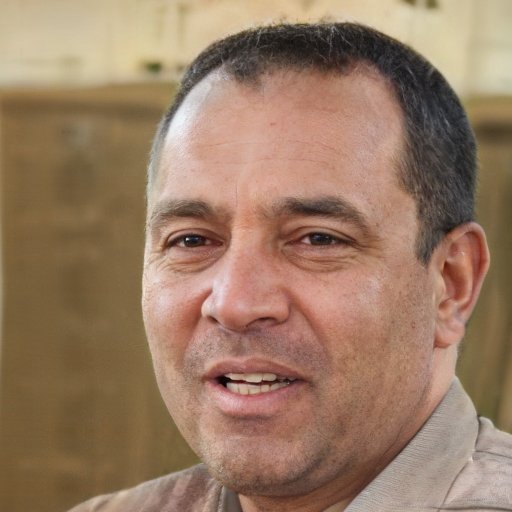
Robert Daniel is a highly respected Damage Restoration Expert with over 20 years of dedicated field experience. As a licensed professional, he has spent two decades restoring safety to residential and commercial properties throughout the region. Robert is recognized for his technical precision and authoritative knowledge in complex disaster recovery.
𝗖𝗲𝗿𝘁𝗶𝗳𝗶𝗰𝗮𝘁𝗶𝗼𝗻𝘀: He holds elite IICRC certifications in Water Damage Restoration (WRT), Mold Remediation (AMRT), Applied Structural Drying (ASD), Odor Control (OCT), and Fire and Smoke Restoration (FSRT).
𝗙𝗮𝘃𝗼𝗿𝗶𝘁𝗲 𝗣𝗮𝘀𝘁𝗶𝗺𝗲: Outside of work, Robert is an avid mountain biker and enjoys restoring antique furniture, a hobby that mirrors his professional passion for preservation.
𝗕𝗲𝘀𝘁 𝗣𝗮𝗿𝘁 𝗼𝗳 𝘁𝗵𝗲 𝗷𝗼𝗯: Robert finds the most fulfillment in seeing a family’s stress vanish as he transforms a damaged house back into a healthy, beautiful home.