
Trusted by 140+ Homeowners
How Do You Know When Mold Remediation Is Complete?
- Over 143 5-Star Reviews
- Free Estimates and Quotes
- 100% Satisfaction Guaranteed
- Child, Family & Pet Safe Steps
- 24-Hour Emergency Service
- Fully Licensed & Insured

Mold remediation is complete when visible mold is gone and the underlying moisture issues are resolved. This means your air quality has returned to normal levels.
Knowing when mold remediation is truly finished is key to ensuring your home is safe and healthy again. It’s more than just seeing the mold disappear.
TL;DR:
- Visual inspection confirms all mold is removed.
- Air quality testing shows normal spore counts.
- Moisture sources have been identified and repaired.
- All affected materials are thoroughly dried and cleaned.
- A professional assessment confirms the remediation success.
How Do You Know When Mold Remediation Is Complete?
You’ve been through the stress of discovering mold in your home. Now, you’re wondering how to be sure the job is done right. Mold remediation is complete when all visible mold is gone, the air quality is safe, and the moisture problem is fixed. It’s a process that requires careful attention to detail. We found that many homeowners worry about lingering spores or hidden mold.
The Visual Inspection: What to Look For
The most obvious sign is that the mold is no longer visible. Your remediation team should have removed all mold-affected materials. They should have cleaned all surfaces thoroughly. However, even after cleaning, you might wonder about hidden mold behind finished walls. It’s important to trust that the professionals addressed these areas.
Surface Cleanliness
Look closely at all the areas where mold was present. They should appear clean and free from discoloration or fuzzy growth. A clean surface is the first step. But it’s not the only step. We found that sometimes, stains can remain even after the mold is gone. This doesn’t necessarily mean the remediation isn’t complete, but it’s worth noting.
Checking for Remaining Moisture
Mold needs moisture to grow. If the source of the moisture isn’t fixed, mold can return quickly. This is why addressing moisture problems inside wall cavities is so important. Professionals will identify leaks, condensation issues, or high humidity. They will then repair these problems. Without fixing the root cause, your mold problem is not truly solved.
Air Quality Testing: The Scientific Proof
Visual checks are important, but they aren’t the whole story. The real proof often comes from air quality testing. This testing measures the number of mold spores in the air. It compares your home’s air to the normal outdoor levels. Professional air sampling is a critical step. It provides objective data about your home’s safety.
Understanding Spore Counts
After remediation, air samples are taken. These are sent to a lab for analysis. The lab report will show the types and amounts of mold spores found. A successful remediation means your indoor spore counts are similar to outdoor counts. They should also be free of the specific mold types that were removed. Normal spore levels indicate a healthy environment.
Third-Party Verification
Sometimes, it’s best to have a third party conduct the air testing. This offers an unbiased confirmation. It ensures that the remediation company’s work is validated. Many experts recommend this for peace of mind. It helps confirm that mold growth after moisture problems has been fully addressed.
The Remediation Process Itself
Understanding what is the process of mold remediation can help you know what to expect. This process typically involves containment, removal, cleaning, and restoration. Each step is designed to eliminate the mold and prevent its return. It’s a systematic approach to restoring your home’s safety.
Containment Strategies
During remediation, professionals create barriers. These prevent mold spores from spreading to other parts of your home. They use plastic sheeting and negative air pressure. This containment is vital for effective removal. We found that without proper containment, spores can easily travel.
Removal and Cleaning
Moldy materials that cannot be cleaned are removed. This includes things like drywall or insulation. Surfaces are then cleaned using specialized solutions. This removes any remaining mold and spores. Thorough cleaning is essential to prevent regrowth. It addresses hidden mold after water damage.
Drying and Restoration
After cleaning, all affected areas must be dried completely. Professionals use dehumidifiers and air movers. Once dry, they can begin restoring your home. This might involve replacing drywall, repainting, or reinstalling flooring. The goal is to return your home to its pre-mold condition.
Addressing Lingering Odors
Sometimes, even after visible mold is gone, a musty smell can linger. This odor is caused by mold byproducts. If the mold was extensive, you might wonder, can odor from mold be eliminated without full remediation. Often, the answer is no. Persistent odors usually indicate that some mold or its residue remains.
Odor Removal Techniques
Effective odor removal often involves advanced techniques. This can include ozone treatments or thermal fogging. However, these are usually part of a complete remediation plan. They work best when combined with the removal of the mold source. Getting rid of the smell is a good sign.
When to Call a Professional for Confirmation
If you’re still unsure if mold remediation is complete, it’s time to call in the experts. A professional restoration company can provide a final assessment. They have the tools and knowledge to confirm the job is done right. This is especially true if you suspect hidden mold after water damage.
Professional Assessment Benefits
A professional inspection goes beyond a simple visual check. They can use specialized equipment to detect moisture and mold. They can also interpret air quality reports accurately. This gives you the confidence that your home is truly safe. It’s about ensuring there’s no hidden damage that needs inspection.
Cost Considerations
While professional confirmation adds a step, it’s important. It helps prevent future problems and health issues. Understanding what is the cost of mold remediation on average can help you budget for these services. Investing in thorough remediation saves money and stress in the long run. It is often cheaper than dealing with recurring mold.
Peace of Mind
Ultimately, knowing your home is mold-free provides peace of mind. You can rest easy knowing your family is safe. Schedule a professional inspection if you have any doubts. It’s a small step for a big return in safety and health.
Checklist for Confirming Remediation Completion
Here’s a quick checklist to help you determine if mold remediation is complete:
- All visible mold has been removed.
- Affected areas are completely dry.
- There are no lingering musty odors.
- Air quality tests show normal spore levels.
- The moisture source has been repaired.
- A professional assessment confirms success.
The Role of Professional Restoration
When dealing with mold, especially after a significant event like a flood or leak, professional help is often necessary. Companies like Frederick Damage Restoration Pros have the expertise for professional restoration after property damage. They understand the science behind mold growth and removal.
Conclusion
Determining when mold remediation is complete involves a combination of visual inspection, professional testing, and confirmation that the underlying moisture issues have been resolved. It’s about ensuring your home is not only clean but also truly healthy and safe for your family. If you suspect mold or need confirmation after remediation, remember that experts like Frederick Damage Restoration Pros are here to help you achieve peace of mind. They offer trusted solutions for a safe and healthy living environment.
Are there any signs of mold I might miss?
Yes, mold can be sneaky. You might miss signs like discolored spots on walls that look like water stains, unexplained peeling paint, or musty odors that seem to come from nowhere. Sometimes, mold can be hidden behind finished walls, making it hard to detect without expert help. Always be vigilant for changes in your home’s appearance or smell.
What if I see mold growing back after remediation?
If you see mold growing back after remediation, it usually means the underlying moisture problem was not fully resolved, or the remediation process was incomplete. It’s important to contact the remediation company immediately. They need to identify why the mold has returned and address the root cause. This is often related to moisture problems inside wall cavities that were not fully corrected.
Can I just clean up small mold spots myself?
For very small, surface mold spots (less than a square foot) on non-porous surfaces, you might be able to clean them yourself with soap and water. However, if the mold covers a larger area, is on porous materials like drywall or carpet, or if you have any respiratory issues, it’s best to call a professional. Attempting to clean extensive mold yourself can spread spores and create health risks.
How long does mold remediation typically take?
The duration of mold remediation varies greatly depending on the extent of the mold growth and the size of the affected area. Small jobs might take a day or two, while larger, more complex situations can take weeks. Factors like the accessibility of the mold and the necessary drying time also play a role. It’s crucial to allow professionals to complete all steps.
Is it safe to live in my home during mold remediation?
It depends on the scope of the work and the containment measures in place. For minor issues, you might be able to stay. However, for extensive mold problems, professionals will often recommend you vacate the premises. This is to ensure your safety and prevent exposure to spores or cleaning chemicals. They will establish containment barriers to protect unaffected areas.
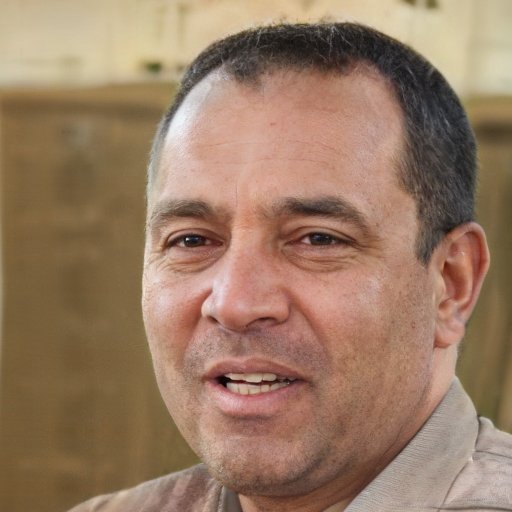
Robert Daniel is a highly respected Damage Restoration Expert with over 20 years of dedicated field experience. As a licensed professional, he has spent two decades restoring safety to residential and commercial properties throughout the region. Robert is recognized for his technical precision and authoritative knowledge in complex disaster recovery.
𝗖𝗲𝗿𝘁𝗶𝗳𝗶𝗰𝗮𝘁𝗶𝗼𝗻𝘀: He holds elite IICRC certifications in Water Damage Restoration (WRT), Mold Remediation (AMRT), Applied Structural Drying (ASD), Odor Control (OCT), and Fire and Smoke Restoration (FSRT).
𝗙𝗮𝘃𝗼𝗿𝗶𝘁𝗲 𝗣𝗮𝘀𝘁𝗶𝗺𝗲: Outside of work, Robert is an avid mountain biker and enjoys restoring antique furniture, a hobby that mirrors his professional passion for preservation.
𝗕𝗲𝘀𝘁 𝗣𝗮𝗿𝘁 𝗼𝗳 𝘁𝗵𝗲 𝗷𝗼𝗯: Robert finds the most fulfillment in seeing a family’s stress vanish as he transforms a damaged house back into a healthy, beautiful home.