
Trusted by 140+ Homeowners
How Do Restoration Teams Handle Large-scale Hail Damage Events?
- Over 143 5-Star Reviews
- Free Estimates and Quotes
- 100% Satisfaction Guaranteed
- Child, Family & Pet Safe Steps
- 24-Hour Emergency Service
- Fully Licensed & Insured

Restoration teams handle large-scale hail damage by quickly assessing the extent of the damage, prioritizing repairs based on safety and severity, and deploying resources efficiently to mitigate further issues.
They focus on immediate containment, structural stabilization, and thorough drying to prevent secondary problems like mold growth after major hail events.
TL;DR:
- Large-scale hail damage requires rapid response and detailed assessment.
- Teams prioritize safety, structural integrity, and preventing water intrusion.
- Specialized equipment and trained professionals are essential for effective restoration.
- Communication with property owners and insurance adjusters is key.
- Restoration aims to return the property to its pre-storm condition.
How Do Restoration Teams Handle Large-Scale Hail Damage Events?
When a massive hailstorm sweeps through, the damage can be widespread and overwhelming. Dealing with the aftermath of such an event requires a structured and experienced approach. Restoration teams are trained to manage these chaotic situations. They arrive with a plan to assess, stabilize, and repair your property.
The Initial Response: Assessment and Stabilization
The very first step after a major hail event is a thorough inspection. Restoration professionals need to understand the full scope of the damage. This includes checking roofs, siding, windows, and even vehicles. They look for visible damage and also potential hidden issues. This is critical because some hail impacts on roofing materials might not be immediately obvious but can lead to bigger problems later.
Prioritizing Safety and Structural Integrity
Your safety is always the top priority. Teams will identify and secure any areas that pose an immediate risk. This might involve boarding up broken windows or tarping damaged sections of the roof. Preventing further damage from rain or wind is crucial. They work to stabilize the structure before extensive repairs begin.
Mobilizing Resources for Large-Scale Events
Handling widespread hail damage means mobilizing a significant amount of resources. This often involves bringing in crews from other areas. They need specialized equipment for debris removal, water extraction, and drying. Think of it like an emergency response unit for your home or business. Having the right tools and enough trained hands can make a huge difference.
The Importance of a Detailed Damage Report
A detailed report is essential for insurance claims and repair planning. Restoration teams meticulously document every damaged area. They use photos, notes, and measurements to create a clear picture of the destruction. This report forms the basis for the repair strategy. It also helps ensure you receive the compensation needed for a full recovery. This is part of the professional restoration after property damage.
Addressing Roof and Exterior Damage
The roof is usually the first line of defense against hail. Large hailstones can cause significant damage to shingles, flashing, and gutters. Teams will assess the roof for dents, cracks, and punctures. Depending on the severity, they might recommend immediate tarping to prevent leaks. Then, they plan for full roof replacement if necessary.
Siding and Window Vulnerabilities
Hail can also dent and crack siding, and shatter windows. These openings allow water and wind to enter the building. Restoration experts will inspect all exterior surfaces for damage. They will repair or replace damaged siding panels and windows. This ensures your property is secure and protected from the elements.
Preventing Further Water Intrusion
One of the biggest concerns after hail damage is water intrusion. Even small breaches in the roof or walls can lead to significant water problems inside. Restoration teams focus on sealing up the building envelope quickly. This prevents rain from entering and causing secondary damage, such as mold growth or structural weakening.
Dealing with Interior Damage and Water Issues
If hail damage leads to leaks, the interior of your property can suffer greatly. Water can damage ceilings, walls, insulation, and personal belongings. Restoration professionals are equipped to handle these issues. They use specialized equipment to dry out affected areas thoroughly. This is vital to prevent mold and mildew.
The Role of Water Extraction and Drying
When water enters your home, it needs to be removed quickly. Restoration teams use powerful water extractors to remove standing water. They then set up industrial-grade air movers and dehumidifiers. These machines work to dry out materials like drywall, carpets, and wood. This process can take several days or even weeks, depending on the extent of the damage. This is crucial for preventing mold and structural issues, especially if there’s floodwater spreading through the home.
Detecting Hidden Damage
Sometimes, the damage isn’t visible on the surface. Water can seep into wall cavities or under flooring. Restoration professionals use tools like moisture meters and thermal imaging cameras. These help detect moisture that could otherwise go unnoticed. Finding and addressing this hidden damage that needs inspection is key to a complete restoration.
Restoration Process and Reconstruction
Once the property is stabilized and dried, the reconstruction phase begins. This involves repairing and replacing damaged building materials. Teams work to restore your property to its pre-storm condition. This can include replacing roofing, siding, windows, drywall, insulation, and finishes. The goal is a safe, dry, and fully functional home or business.
Working with Insurance Companies
Navigating insurance claims after a major event can be stressful. Experienced restoration companies often work closely with insurance adjusters. They provide the detailed documentation needed to support your claim. This partnership helps ensure that all necessary repairs are approved and covered. It streamlines the process for you, reducing your burden.
Ensuring a Complete Restoration
A truly effective restoration goes beyond just fixing the obvious. It means addressing all the consequences of the damage. This includes making sure there are no lingering moisture issues or potential for mold. It also means restoring the aesthetic appeal and functionality of your property. For example, dealing with hail impacts on roofing materials might require more than just patching; it could mean a full replacement to ensure long-term protection.
Preventing Future Damage and Long-Term Care
After the repairs are complete, it’s wise to consider preventative measures. Regular maintenance can help identify potential issues before they become major problems. For instance, keeping gutters clean can prevent water buildup. Understanding how storm damage that worsens over time can affect your property is key to proactive care.
When Severe Hail Strikes Your Business
Large-scale hail events can severely impact commercial properties. The damage might affect operations, inventory, and customer access. Restoration teams have specialized knowledge for hail damage in commercial buildings. They work to minimize downtime and get businesses back up and running as quickly as possible. This often involves coordinated efforts and understanding the unique needs of a business environment.
What About Other Disaster Types?
While hail is a unique threat, restoration teams are often equipped to handle a variety of disasters. For example, they can manage extensive water damage. If your property experiences issues like standing water after heavy rain, they have the expertise to address it. Similarly, they can help with damage from other events, like fires, by removing smoke residue after a fire.
Conclusion
Large-scale hail damage events are challenging, but with the right expertise, they are manageable. Restoration teams are prepared to respond quickly, assess thoroughly, and execute repairs effectively. Their goal is to restore your property and peace of mind. At Frederick Damage Restoration Pros, we understand the stress such events cause. We are dedicated to providing expert guidance and efficient restoration services to help you recover. We are a trusted resource for navigating the complexities of property damage and ensuring a complete recovery.
What is the first thing a restoration team does after a hail storm?
The very first action is a thorough damage assessment. This involves inspecting the exterior and interior of your property to understand the full extent of the hail damage. Safety is also an immediate concern, so they will secure any hazardous areas.
How quickly do restoration teams respond to large hail events?
Response times are typically very fast, especially after widespread storms. Restoration companies often have emergency protocols in place to deploy teams as soon as it’s safe to do so. The goal is to begin stabilization and prevent further damage.
Can restoration teams handle hail damage that causes leaks?
Yes, addressing leaks is a primary concern. Restoration professionals are skilled in identifying the source of leaks, mitigating water damage, and performing necessary repairs to the roof and structure to prevent future water intrusion.
What kind of equipment do restoration teams use for hail damage?
They use a variety of equipment, including specialized tools for roof inspections, water extraction pumps, industrial-grade dehumidifiers, air movers, and safety gear. For structural repairs, they have tools for carpentry and material replacement.
How long does the restoration process take after major hail damage?
The timeline varies greatly depending on the severity of the damage. Minor repairs might take a few days, while extensive damage requiring roof replacement, interior repairs, and drying can take several weeks or even months.
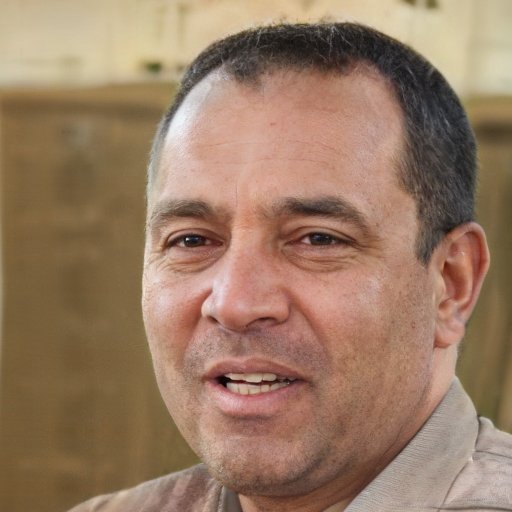
Robert Daniel is a highly respected Damage Restoration Expert with over 20 years of dedicated field experience. As a licensed professional, he has spent two decades restoring safety to residential and commercial properties throughout the region. Robert is recognized for his technical precision and authoritative knowledge in complex disaster recovery.
𝗖𝗲𝗿𝘁𝗶𝗳𝗶𝗰𝗮𝘁𝗶𝗼𝗻𝘀: He holds elite IICRC certifications in Water Damage Restoration (WRT), Mold Remediation (AMRT), Applied Structural Drying (ASD), Odor Control (OCT), and Fire and Smoke Restoration (FSRT).
𝗙𝗮𝘃𝗼𝗿𝗶𝘁𝗲 𝗣𝗮𝘀𝘁𝗶𝗺𝗲: Outside of work, Robert is an avid mountain biker and enjoys restoring antique furniture, a hobby that mirrors his professional passion for preservation.
𝗕𝗲𝘀𝘁 𝗣𝗮𝗿𝘁 𝗼𝗳 𝘁𝗵𝗲 𝗷𝗼𝗯: Robert finds the most fulfillment in seeing a family’s stress vanish as he transforms a damaged house back into a healthy, beautiful home.