
Trusted by 140+ Homeowners
What Is The Process Of Restoring Water-damaged Hardwood Floors?
- Over 143 5-Star Reviews
- Free Estimates and Quotes
- 100% Satisfaction Guaranteed
- Child, Family & Pet Safe Steps
- 24-Hour Emergency Service
- Fully Licensed & Insured

Restoring water-damaged hardwood floors involves careful drying, cleaning, and refinishing to bring them back to their former beauty.
The process aims to remove all moisture and prevent further damage like warping, cupping, or mold growth.
TL;DR:
- Quickly extract standing water to prevent absorption.
- Thoroughly dry the wood using specialized equipment.
- Clean to remove stains and potential mold.
- Repair or replace damaged boards.
- Refinish to protect and restore appearance.
What Is the Process of Restoring Water-Damaged Hardwood Floors?
When water meets your hardwood floors, it can feel like a disaster. But don’t panic! Understanding the restoration process can help you navigate the situation. We found that prompt action is key to saving your beautiful wood.
Immediate Steps After Water Exposure
The very first thing to do is remove any standing water. Use towels, mops, or a wet-vac. This prevents the water from soaking deeper into the wood. You want to stop the damage from spreading.
Next, you need to start the drying process. This is where things get serious. Getting professional help quickly can make a huge difference in the outcome.
Assessing the Damage
Once the initial water is gone, a thorough inspection is necessary. We found that sometimes the damage isn’t obvious. Experts will look for signs of swelling, cupping, or discoloration. They also check for any signs of mold or mildew.
This inspection is vital for understanding the extent of the problem. It helps determine if the floor can be restored or if replacement is needed. Sometimes, there is hidden damage that needs inspection, especially if water seeped beneath the surface.
Drying the Hardwood Floors
This is a critical phase. Simply airing out the room often isn’t enough. You need controlled drying. Professionals use specialized equipment like air movers and dehumidifiers. These tools remove moisture efficiently and safely.
The goal is to dry the wood slowly and evenly. This prevents further warping or cracking. Rapid drying can cause more harm than good. We found that allowing moisture trapped under floor materials to linger is a major risk.
Dealing with Moisture
Controlling humidity is as important as removing standing water. High humidity can keep the wood damp. Dehumidifiers are essential for lowering the moisture content in the air. This helps the wood dry out completely.
It’s important to monitor the wood’s moisture levels. This ensures it dries to a safe and stable state. We found that this step is crucial to prevent long-term issues like mold or structural damage.
Cleaning and Sanitizing
After drying, the floors need a good cleaning. Water can leave behind dirt and residue. More importantly, it can create an environment for mold and mildew to grow. This is a serious health risk if left untreated.
Cleaning solutions are used to remove stains and sanitize the wood. This ensures the floor is not only beautiful but also healthy. For severe cases, professional cleaning might be needed to tackle mold spores.
Repairing Damaged Boards
Sometimes, despite best efforts, some boards might be too damaged to save. This is where repair comes in. Damaged or warped boards are carefully removed and replaced.
The new boards are matched to the existing ones as closely as possible. This ensures a uniform look. This step requires skill to make the repair unnoticeable. It’s part of the overall effort to get your floor looking its best.
Sanding and Refinishing
Once the floor is dry, clean, and repaired, it’s time for refinishing. This usually involves sanding down the existing finish. Sanding removes minor imperfections and prepares the surface.
After sanding, a new stain and protective finish are applied. This not only restores the floor’s appearance but also protects it from future damage. It’s like giving your floor a fresh start. This process can revive even badly damaged floors.
Protective Finishes
The final finish is crucial. It acts as a barrier against spills and wear. Polyurethane, oil-based finishes, and water-based finishes are common choices. Each offers different levels of durability and appearance.
Choosing the right finish ensures your hardwood floor remains beautiful and protected for years to come. It’s an investment in your home’s appearance and value. This step is vital for long-term care.
When to Call the Professionals
Water damage can be tricky. You might think your floors are fine, but there could be moisture trapped under floor materials. This can lead to rot or mold later on.
If you have extensive water damage, or if the water has been sitting for a while, it’s best to call experts. They have the tools and knowledge to handle any situation. This includes tackling issues like water damage beneath flooring.
Avoiding Common Mistakes
One common mistake is not drying the floor thoroughly. Another is using too much heat too quickly, which can cause cracking. Do not wait to get help; the longer you wait, the worse the damage can become.
Trying to do it all yourself might seem like a cost-saver, but it can lead to more expensive repairs down the line. For example, if you have basement flooding after heavy rain, it requires specialized equipment to dry out safely.
The Importance of Speed
Time is of the essence with water damage. The longer water sits, the more damage it causes. This includes structural damage to the wood and subfloor. It also increases the risk of mold growth.
Acting fast means you have a better chance of a full restoration. It can also mean avoiding more costly repairs. Call a professional right away if you suspect significant water damage.
Special Considerations for Hardwood
Hardwood is a natural material, and it reacts to moisture. It can swell, warp, or cup. Some finishes can also be damaged by water. The type of wood and the finish play a role in how it responds to water.
If your water damage is severe, you might be dealing with more than just the floor. Water can affect walls, furniture, and even the structure of your home. It’s important to address all areas affected by the water, much like dealing with fire damage throughout the home where multiple areas need attention.
Restoring vs. Replacing
The decision to restore or replace depends on the severity of the damage. Minor spills might only require drying and a quick clean. Major flooding may necessitate complete removal and replacement of the flooring.
Experts can assess the situation and provide a realistic recommendation. They will consider the cost-effectiveness and the best long-term solution for your home. Sometimes, it’s just about getting some professional restoration after property damage.
Can Damaged Hardwood Be Saved?
Often, yes! With the right techniques, many water-damaged hardwood floors can be saved. The process involves careful drying, cleaning, and refinishing. It’s about bringing the wood back to its original condition.
Even floors that look severely damaged might be salvageable. The key is a systematic approach. This is similar to how water-damaged documents are handled, where meticulous care is needed to preserve them.
Protecting Your Investment
Your hardwood floors are a significant investment. Protecting them from water damage is crucial. Regular maintenance and quick responses to spills can help.
Knowing the restoration process helps you understand what to expect. It also highlights the importance of having a reliable restoration team on hand. This ensures you can act before it gets worse.
Conclusion
Restoring water-damaged hardwood floors is a multi-step process. It requires immediate action, thorough drying, careful cleaning, and skilled refinishing. While it can seem daunting, understanding these steps can help you manage the situation effectively. If your hardwood floors have suffered water damage, remember that prompt and professional intervention is your best bet for a successful restoration. Frederick Damage Restoration Pros has the expertise and equipment to help bring your floors back to life, minimizing disruption and ensuring a lasting repair.
What are the first signs of water damage on hardwood floors?
The first signs often include discoloration, such as dark spots or staining. You might also notice warping, cupping (where the edges of the boards are higher than the center), or buckling. A musty smell can also indicate hidden moisture and potential mold growth.
How long does it take to restore water-damaged hardwood floors?
The timeline varies greatly depending on the extent of the damage and the drying process. It can range from a few days for minor issues to several weeks for severe cases. Thorough drying is the most time-consuming part and can take days or even weeks.
Can I walk on hardwood floors while they are being dried?
It’s generally best to avoid walking on water-damaged hardwood floors if possible, especially if they are soft or unstable. Excessive weight can cause further damage. Professionals will advise on when it’s safe to walk on the floors during the restoration process.
Will refinishing completely fix water damage on hardwood floors?
Refinishing can often hide minor water stains and surface damage. However, if the wood has significantly warped, cupped, or rotted, refinishing alone may not be enough. In such cases, board replacement is necessary before refinishing.
How can I prevent future water damage to my hardwood floors?
Regularly check for leaks from appliances, plumbing, or windows. Clean up spills immediately. Ensure proper drainage around your home, especially if you have a basement, to prevent issues like water collecting in lower levels. Consider using rugs in high-traffic or spill-prone areas.
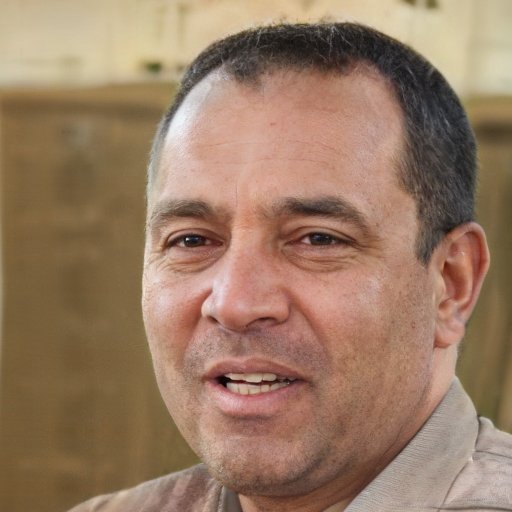
Robert Daniel is a highly respected Damage Restoration Expert with over 20 years of dedicated field experience. As a licensed professional, he has spent two decades restoring safety to residential and commercial properties throughout the region. Robert is recognized for his technical precision and authoritative knowledge in complex disaster recovery.
𝗖𝗲𝗿𝘁𝗶𝗳𝗶𝗰𝗮𝘁𝗶𝗼𝗻𝘀: He holds elite IICRC certifications in Water Damage Restoration (WRT), Mold Remediation (AMRT), Applied Structural Drying (ASD), Odor Control (OCT), and Fire and Smoke Restoration (FSRT).
𝗙𝗮𝘃𝗼𝗿𝗶𝘁𝗲 𝗣𝗮𝘀𝘁𝗶𝗺𝗲: Outside of work, Robert is an avid mountain biker and enjoys restoring antique furniture, a hobby that mirrors his professional passion for preservation.
𝗕𝗲𝘀𝘁 𝗣𝗮𝗿𝘁 𝗼𝗳 𝘁𝗵𝗲 𝗷𝗼𝗯: Robert finds the most fulfillment in seeing a family’s stress vanish as he transforms a damaged house back into a healthy, beautiful home.