
Trusted by 140+ Homeowners
What Are The Dangers Of Water Damage In A Pediatric Facility?
- Over 143 5-Star Reviews
- Free Estimates and Quotes
- 100% Satisfaction Guaranteed
- Child, Family & Pet Safe Steps
- 24-Hour Emergency Service
- Fully Licensed & Insured

Water damage in a pediatric facility poses serious health risks due to mold growth and compromised air quality. Prompt professional restoration is essential to protect vulnerable children.
The dangers of water damage in pediatric settings are amplified because young children have developing immune systems, making them more susceptible to illness.
TL;DR:
- Water damage in pediatric facilities creates serious health hazards like mold and bacteria.
- Young children are especially vulnerable to respiratory issues and infections from water damage.
- Hidden moisture can lead to structural damage and electrical hazards.
- Prompt professional assessment and restoration are critical for safety.
- Preventative measures and regular inspections are key to mitigating risks.
What Are the Dangers of Water Damage in a Pediatric Facility?
Water damage in a pediatric facility is more than just an inconvenience. It presents a clear and present danger to the health and safety of the youngest and most vulnerable among us. Children in daycare centers, preschools, and pediatric clinics have developing immune systems. This makes them far more susceptible to the harmful effects of mold, bacteria, and poor indoor air quality that often accompany water intrusion.
The Immediate Health Threats
When water sits, even for a short time, it creates a breeding ground for mold and mildew. These fungi release spores into the air. Inhaling these spores can trigger a range of health problems. We found that children are particularly prone to allergic reactions. They can also develop respiratory infections. Symptoms might include coughing, wheezing, and shortness of breath. For children with asthma, these effects can be severe and life-threatening.
Beyond Visible Signs: Hidden Dangers
Water doesn’t always stay where you can see it. It can seep behind walls, under flooring, and into insulation. This hidden moisture is a silent threat. It can go unnoticed for weeks or months. During this time, mold can spread extensively. This leads to a significant deterioration of indoor air quality. This is why a thorough inspection is so important. Many experts say that hidden damage that needs inspection is a common issue in water-damaged buildings.
Mold and Respiratory Issues
We’ve seen how mold growth can directly impact a child’s respiratory health. Studies show a strong link between mold exposure and increased asthma symptoms in children. Even low levels of mold can cause discomfort and allergic reactions. High levels can lead to serious breathing difficulties. Addressing mold contamination requires specialized cleaning. It’s a key part of professional restoration after property damage.
Bacterial Contamination
Standing water, especially from sewage backups or floods, can carry dangerous bacteria. These pathogens can contaminate surfaces and the air. Children, often playing on the floor and touching many surfaces, are at high risk of infection. Gastrointestinal illnesses and skin infections are common concerns. We must take bacterial contamination very seriously.
Structural Integrity Risks
Water damage doesn’t just affect health; it weakens the building itself. Prolonged exposure to moisture can rot wooden beams and compromise structural supports. This is particularly concerning in areas like crawl spaces. We found that water under the living space can lead to severe structural issues over time.
Electrical Hazards
Water and electricity are a dangerous mix. If water reaches electrical outlets, wiring, or appliances, it creates a severe shock hazard. This is a critical safety concern in any facility, especially one with children. Electrical safety must be a top priority after any water intrusion event.
Damage to Belongings and Equipment
Beyond the building, water can destroy valuable equipment and children’s belongings. Toys, educational materials, and furniture can be ruined. This not only represents a financial loss but also disrupts the learning environment. Restoring these items, if possible, requires careful handling.
Common Sources of Water Intrusion
Understanding where water might come from is the first step in prevention. Many sources can lead to water damage, each with its own set of risks. We found that even small leaks can cause significant problems if left unaddressed.
Roof Leaks
A leaky roof is a common culprit. Missing shingles, damaged flashing, or clogged gutters can allow rainwater to enter. Rainwater entering through roof damage can travel down walls and into ceilings. This can go unnoticed until mold or staining appears. This is why regular roof inspections are crucial.
Plumbing Issues
Pipes can burst, especially in older buildings or during extreme temperature changes. Leaky faucets, toilets, and appliance hoses are also common sources. A small drip can lead to significant saturation over time. Promptly addressing plumbing leaks is vital.
HVAC System Malfunctions
Heating, ventilation, and air conditioning systems can leak condensation. If the drain line clogs or the unit malfunctions, water can pool and spread. This can affect the air quality and create damp conditions. We found that professional restoration after property damage is often needed for HVAC-related leaks.
Sewer Backups
This is one of the most hazardous types of water damage. Sewage contains harmful bacteria and pathogens. It requires specialized cleanup and disinfection. We found that hidden damage that needs inspection is critical after a sewage backup event.
The Critical Need for Swift Action
When water damage occurs, time is of the essence. The longer water sits, the more damage it causes. Mold can start to grow within 24-48 hours. Structural damage can worsen, and the risk of electrical hazards increases. You must act before the damage gets worse.
Steps to Take Immediately
Your priority is the safety of the children. If the damage is extensive or involves sewage, evacuate the area. If safe to do so, turn off the water source. Document the damage with photos. Then, call a professional right away.
| Type of Water | Associated Risks | Immediate Steps |
|---|---|---|
| Clean Water (Category 1) | Minimal risk, but can lead to mold if not dried. | Dry affected areas thoroughly. |
| Gray Water (Category 2) | Contains contaminants, potential health risks. | Containment and professional cleanup needed. |
| Black Water (Category 3) | Highly contaminated, severe health hazard. | Evacuate, professional mitigation essential. |
Why Professional Restoration is Non-Negotiable
Attempting to handle significant water damage yourself is risky. Professionals have the equipment and expertise to properly dry, clean, and disinfect the affected areas. They can identify hidden moisture and ensure the environment is safe for re-occupation. This is especially true for professional restoration after property damage in sensitive environments.
Preventative Measures for Pediatric Facilities
The best way to deal with water damage is to prevent it from happening. Regular maintenance and vigilance can save a facility from costly repairs and health risks. You should implement a regular maintenance schedule.
Regular Inspections Checklist
- Check roofs and gutters for debris and damage.
- Inspect plumbing for leaks or drips.
- Test sump pumps and check basement/crawl space for moisture.
- Ensure HVAC drain lines are clear.
- Monitor appliance hoses for wear and tear.
Employee Training
Train staff to recognize the signs of water damage. Ensure they know the proper procedures for reporting leaks and potential issues. Early detection can make a world of difference. Empower your staff to report concerns.
Conclusion
Water damage in a pediatric facility is a serious concern that demands immediate attention. The health and safety of young children are paramount. From mold and bacteria to structural integrity, the risks are numerous. Swift, professional intervention is key to mitigating these dangers. Understanding the sources of water intrusion and implementing preventative measures can significantly reduce the likelihood of future problems. If your pediatric facility faces water damage, get expert advice today from trusted professionals. Frederick Damage Restoration Pros is here to help restore your space to a safe and healthy environment.
What are the most common health issues linked to water damage in children?
The most common health issues include respiratory problems like asthma exacerbation, coughing, wheezing, and allergic reactions triggered by mold spores. Bacterial infections from contaminated water are also a concern.
How quickly does mold start to grow after water damage?
Mold can begin to grow in as little as 24 to 48 hours after water intrusion if the area is not properly dried and dehumidified.
Can water damage affect a building’s structure?
Yes, prolonged exposure to moisture can cause wood to rot, weaken drywall, and compromise the structural integrity of floors, walls, and ceilings, especially if there is water under the living space.
What is the difference between clean, gray, and black water?
Clean water comes from a safe source. Gray water contains contaminants and poses health risks. Black water is heavily contaminated, often from sewage, and is extremely hazardous.
Why is professional water damage restoration so important for a pediatric facility?
Professionals have the specialized equipment and training to ensure thorough drying, identify hidden moisture, and properly remediate contaminants like mold and bacteria, creating a safe environment essential for protecting vulnerable children.
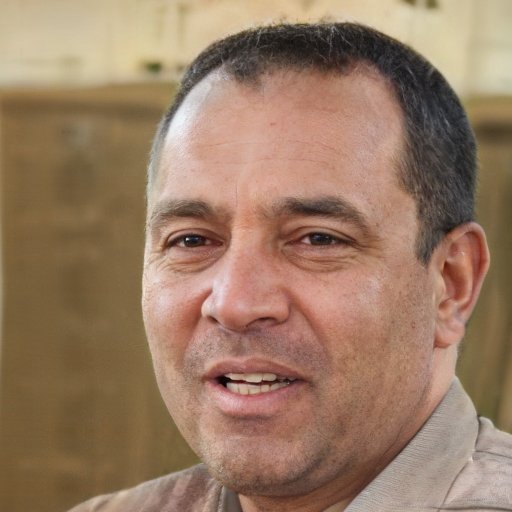
Robert Daniel is a highly respected Damage Restoration Expert with over 20 years of dedicated field experience. As a licensed professional, he has spent two decades restoring safety to residential and commercial properties throughout the region. Robert is recognized for his technical precision and authoritative knowledge in complex disaster recovery.
𝗖𝗲𝗿𝘁𝗶𝗳𝗶𝗰𝗮𝘁𝗶𝗼𝗻𝘀: He holds elite IICRC certifications in Water Damage Restoration (WRT), Mold Remediation (AMRT), Applied Structural Drying (ASD), Odor Control (OCT), and Fire and Smoke Restoration (FSRT).
𝗙𝗮𝘃𝗼𝗿𝗶𝘁𝗲 𝗣𝗮𝘀𝘁𝗶𝗺𝗲: Outside of work, Robert is an avid mountain biker and enjoys restoring antique furniture, a hobby that mirrors his professional passion for preservation.
𝗕𝗲𝘀𝘁 𝗣𝗮𝗿𝘁 𝗼𝗳 𝘁𝗵𝗲 𝗷𝗼𝗯: Robert finds the most fulfillment in seeing a family’s stress vanish as he transforms a damaged house back into a healthy, beautiful home.