
Trusted by 140+ Homeowners
How Do Restoration Companies Handle Damage In Multi-family Buildings?
- Over 143 5-Star Reviews
- Free Estimates and Quotes
- 100% Satisfaction Guaranteed
- Child, Family & Pet Safe Steps
- 24-Hour Emergency Service
- Fully Licensed & Insured

Restoration companies handle multi-family building damage with coordinated plans. They focus on safety, containment, and efficient restoration.
Their approach involves detailed assessments and phased restoration to minimize disruption for all residents.
TL;DR:
- Restoration companies use specialized teams for multi-family properties.
- They prioritize resident safety and clear communication.
- Containment of damage is key to preventing spread.
- Phased restoration minimizes disruption to residents.
- Coordination with property management is essential.
How Do Restoration Companies Handle Damage in Multi-Family Buildings?
Dealing with property damage in a multi-family building presents unique challenges. Think apartment complexes, condos, or townhouses. It’s not just one unit; it’s many. Restoration companies have developed specific strategies for these situations. They understand the need for speed and efficiency. This is crucial to protect property values and resident well-being.
The Unique Challenges of Multi-Family Properties
Imagine a fire or a flood starting in one unit. The damage doesn’t stop there. It can easily spread to adjacent units and common areas. Water can travel through floors and walls. Smoke can infiltrate ventilation systems. This creates a domino effect. Restoring one unit might not be enough if the source or spread isn’t addressed. You also have many people to consider. Each resident has their own needs and concerns.
Safety First: Immediate Priorities
When disaster strikes, the first and foremost concern is always safety. Restoration professionals will assess the structural integrity of the building. They check for electrical hazards or gas leaks. If there’s a risk of collapse or other immediate dangers, they will secure the area. This might involve temporary bracing or restricting access. Ensuring everyone’s safety is the top priority.
Assessment and Planning: The Blueprint for Restoration
Once the immediate safety concerns are managed, a thorough assessment begins. This is where experience truly matters. Restoration teams use specialized equipment to detect hidden damage. They look for water beneath floors or in wall cavities. They identify the full extent of smoke and soot contamination. This detailed plan guides the entire restoration process. It helps estimate costs and timelines. A clear plan prevents costly mistakes.
Containment Strategies
A key part of handling damage in multi-family buildings is containment. If a water pipe bursts in unit 3A, you don’t want that water flooding 3B and 2A. Restoration companies use specialized barriers and equipment. They might set up containment walls or use powerful air scrubbers. This stops the damage from spreading further. It’s like building a dam against the disaster. This step is vital for minimizing the overall impact. For instance, dealing with floodwater spreading through the home requires immediate containment.
Communication: Keeping Everyone Informed
In a multi-family setting, communication is king. Property managers, building owners, and residents all need to be kept in the loop. Restoration companies work closely with management. They provide regular updates on progress and expected timelines. This transparency helps manage resident expectations. It reduces anxiety during a stressful time. Clear communication is a cornerstone of successful restoration projects. Keeping residents informed reduces stress.
Specialized Teams for Different Damages
Different types of damage require different expertise. A fire in a unit is different from a major plumbing leak. For fire damage, dealing with smoke residue after a fire is a major concern. It can permeate everything. Water damage requires different drying techniques. Restoration companies often have specialized teams. Some focus on water mitigation, others on fire and smoke remediation. This ensures the right experts are on the job.
Phased Restoration: Minimizing Disruption
Restoring an entire building at once is often impossible. Restoration companies use a phased approach. They might prioritize units that are uninhabitable. Then they move to units with less severe damage. Common areas are addressed as needed. This strategy aims to get residents back into their homes as quickly as possible. It also allows the building to continue functioning. This is especially important for occupied buildings. It balances the need for thorough repair with resident comfort.
| Type of Damage | Initial Steps | Key Restoration Focus |
|---|---|---|
| Water Damage | Water extraction, drying, dehumidification | Preventing mold growth, structural drying |
| Fire Damage | Soot and smoke cleanup, deodorization | Restoring air quality, structural integrity |
| Mold Growth | Containment, removal of affected materials | Identifying and fixing moisture source, preventing recurrence |
Dealing with Common Areas
Damage often extends beyond individual units. Hallways, lobbies, laundry rooms, and recreational facilities can also be affected. These common areas are critical for the building’s functionality. Restoration companies ensure these spaces are repaired promptly. This allows residents to access necessary amenities. It also helps restore a sense of normalcy. Addressing professional restoration after property damage in shared spaces is key.
The Role of Technology and Equipment
Modern restoration relies heavily on advanced technology. Powerful water extractors remove bulk water quickly. Industrial-grade dehumidifiers and air movers dry out structures. Thermal imaging cameras detect moisture hidden behind walls. Air scrubbers with HEPA filters remove soot and mold spores. These tools are essential for efficient and effective restoration. They help speed up the drying process. This is vital to prevent secondary damage like mold. Advanced equipment speeds up recovery.
Restoring Contents and Belongings
Damage isn’t just to the building itself. Residents’ personal belongings can also be affected. Restoration companies often have specialized services for contents. They can clean and restore furniture, electronics, and other items. This is done in a controlled environment. It’s a way to salvage possessions that might otherwise be lost. For example, some companies can handle damage to antiques after a flood. This offers peace of mind to residents.
Preventing Future Issues
A good restoration company doesn’t just fix the immediate problem. They also help prevent future issues. This might involve recommending upgrades to plumbing or electrical systems. They can advise on better moisture control measures. Identifying the root cause of the damage is essential. This prevents a repeat scenario. It’s about building a more resilient property. Preventing future damage saves money.
Working with Insurance
Navigating insurance claims can be complex. Restoration companies often work directly with insurance adjusters. They provide detailed documentation of the damage and the proposed repairs. This helps streamline the claims process. It ensures that the necessary work is approved and covered. Having an experienced restoration partner can make a huge difference. They understand the insurance world. They help you get the coverage you deserve. Get expert advice today on handling insurance claims.
What to Look for in a Multi-Family Restoration Company
When choosing a company, look for experience with multi-family properties. Ask about their emergency response capabilities. Do they have the necessary certifications? Can they handle large-scale projects? Reputation is also important. Check reviews and ask for references. A company that prioritizes communication and has a proven track record is ideal. They should be able to handle everything from small leaks to major disasters. This includes complex issues like smoke residue after a fire throughout the home.
The Importance of Swift Action
Time is of the essence when property damage occurs. The longer you wait, the worse the damage can become. Water can lead to mold growth. Fires can cause deep structural damage. Acting quickly minimizes costs and disruption. It also protects the health and safety of residents. Do not wait to get help if you suspect damage. Immediate action is always best.
Conclusion
Restoring damage in multi-family buildings requires a coordinated, professional approach. It involves swift assessment, effective containment, clear communication, and phased restoration. Companies like Frederick Damage Restoration Pros understand the unique pressures of these environments. They are equipped to handle the complexities, ensuring resident safety and property integrity. Their goal is to return normalcy to affected residents and properties as efficiently as possible.
What is the first step a restoration company takes in a multi-family building?
The very first step is always to ensure the safety of all residents and personnel. This involves assessing immediate hazards like structural instability, electrical dangers, or gas leaks. They will secure the area to prevent further harm.
How do restoration companies manage damage that affects multiple units?
They use containment strategies to stop the spread of damage, such as water or smoke. Then, they develop a phased restoration plan, often prioritizing the most severely affected units or critical common areas to minimize overall disruption.
Why is communication so important in multi-family property restoration?
Clear and consistent communication with property management and residents is vital. It helps manage expectations, reduces anxiety during a stressful time, and ensures everyone is aware of the restoration process and timeline.
Can restoration companies help with contents and personal belongings?
Yes, many restoration companies offer specialized services for cleaning and restoring personal belongings. This can include furniture, electronics, and other items, often done in a controlled off-site facility.
What is the biggest challenge in restoring multi-family buildings?
The biggest challenge is balancing the need for thorough and efficient restoration with the ongoing occupancy and well-being of residents. Minimizing disruption while addressing extensive damage requires careful planning and execution.
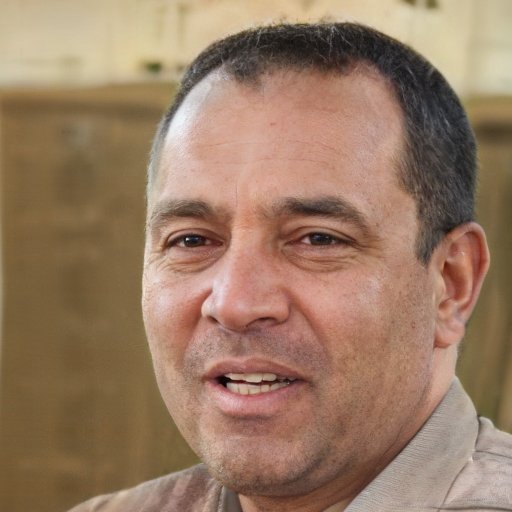
Robert Daniel is a highly respected Damage Restoration Expert with over 20 years of dedicated field experience. As a licensed professional, he has spent two decades restoring safety to residential and commercial properties throughout the region. Robert is recognized for his technical precision and authoritative knowledge in complex disaster recovery.
𝗖𝗲𝗿𝘁𝗶𝗳𝗶𝗰𝗮𝘁𝗶𝗼𝗻𝘀: He holds elite IICRC certifications in Water Damage Restoration (WRT), Mold Remediation (AMRT), Applied Structural Drying (ASD), Odor Control (OCT), and Fire and Smoke Restoration (FSRT).
𝗙𝗮𝘃𝗼𝗿𝗶𝘁𝗲 𝗣𝗮𝘀𝘁𝗶𝗺𝗲: Outside of work, Robert is an avid mountain biker and enjoys restoring antique furniture, a hobby that mirrors his professional passion for preservation.
𝗕𝗲𝘀𝘁 𝗣𝗮𝗿𝘁 𝗼𝗳 𝘁𝗵𝗲 𝗷𝗼𝗯: Robert finds the most fulfillment in seeing a family’s stress vanish as he transforms a damaged house back into a healthy, beautiful home.