
Trusted by 140+ Homeowners
What Is The Process Of Restoring Water-damaged Photos?
- Over 143 5-Star Reviews
- Free Estimates and Quotes
- 100% Satisfaction Guaranteed
- Child, Family & Pet Safe Steps
- 24-Hour Emergency Service
- Fully Licensed & Insured

Restoring water-damaged photos requires careful handling and specialized techniques to preserve memories.
The process involves drying, cleaning, and sometimes professional intervention to prevent further deterioration.
TL;DR:
- Assess photo damage and separate affected items.
- Gently rinse photos if they are stuck together or have debris.
- Air dry photos on a clean, absorbent surface.
- Freeze photos if immediate drying isn’t possible.
- Consult professionals for severely damaged or irreplaceable items.
What Is the Process of Restoring Water-Damaged Photos?
Water damage can be a homeowner’s nightmare. It doesn’t just affect structures; it can ruin cherished memories too. Your photographs are precious links to the past. When they get wet, it’s natural to worry about losing them forever. Fortunately, many water-damaged photos can be saved with the right approach. The process focuses on minimizing further harm and preserving as much detail as possible.
Immediate Steps for Wet Photos
The very first thing you should do is act fast. Time is critical when dealing with wet photographs. Gently remove the photos from the water source. Be careful not to rub or wipe them. This can smear the ink and damage the emulsion layer. Handle them by the edges if possible. If photos are stuck together, resist the urge to pull them apart forcefully. This is where things can get tricky.
Assessing the Damage
Take a close look at each photo. Are they just damp, or are they soaked? Are they stuck to other photos or surfaces? Is there any mold or mildew starting to form? The extent of the damage will guide your restoration efforts. Photos with minor dampness will be easier to restore than those that are completely saturated and have started to disintegrate. This initial assessment is key to a successful outcome.
The Drying Process: A Gentle Approach
Drying is the most crucial step. You want to remove moisture without causing further damage. Lay photos out flat on a clean, absorbent surface. Paper towels or clean, white cotton cloths work well. Ensure the surface is lint-free to avoid transferring debris. Place them in a single layer, not overlapping. This allows for even drying. You might need to change the absorbent material as it becomes saturated.
Dealing with Sticking Photos
If photos are stuck together, you have a few options. For photos that are still wet, you can try gently rinsing them under cool, clean running water. This may help loosen the layers. Let the water run between the pages. Another method is to place the stuck photos in a container of clean water. This can sometimes allow them to separate more easily as they soak. If they still won’t separate, do not force them.
Air Drying Techniques
Once you’ve handled any sticking issues, continue with the air-drying process. Place the photos on a mesh screen or a drying rack. This allows air to circulate around them. Ensure good ventilation in the room. A fan can help, but keep it on a low setting and not pointed directly at the photos. This helps speed up drying without causing them to warp excessively. Consistent airflow is important.
When Freezing is the Best Option
What if you have too many photos to dry immediately? Or perhaps you need to wait for professional help? Freezing is an excellent way to preserve wet photos until you can address them properly. Place the wet photos in freezer bags. You can place wax paper between them to prevent sticking. Freeze them as soon as possible. This halts mold growth and further deterioration. It’s a temporary but effective preservation method.
Cleaning and Mold Removal
Once photos are dry, you might notice some remaining dirt or debris. Gently brush off loose particles with a soft brush. For more stubborn dirt, a cotton swab lightly dampened with distilled water can be used. Be extremely careful. Always test on an inconspicuous area first. If you see signs of mold or mildew, it’s a more serious issue. Mold spores can spread quickly. Professional cleaning might be necessary.
The Role of Professionals in Restoration
Sometimes, the damage is too extensive for DIY methods. This is especially true for valuable or irreplaceable photos. Professional restoration services have specialized equipment and expertise. They can handle delicate cleaning, repair tears, and even digitally restore faded images. If you’re facing significant water damage to your home, like water damage beneath flooring from a leaky pipe, it’s wise to call experts. They can assess all types of damage, including hidden issues.
When to Seek Expert Help
Consider professional restoration if your photos are very old, historically significant, or hold immense personal value. If mold is present, it’s a health hazard and requires professional attention. Also, if you’ve tried basic drying and cleaning and the results aren’t satisfactory, it’s time to call in the pros. They can often salvage photos that seem beyond repair. Their techniques can address hidden damage that needs inspection.
Preventing Future Photo Damage
After a water incident, it’s wise to think about prevention. Store important documents and photos in waterproof containers. Consider backing up digital photos regularly. If you experience significant water issues, like basement flooding after heavy rain, ensure thorough drying and inspection of all affected areas. This includes checking for moisture trapped under floor materials, which can lead to secondary damage, even to stored items like photos.
Digital Archiving
A fantastic way to protect your memories is by digitizing them. Scan your photos at a high resolution. Store these digital copies in multiple safe locations. This includes cloud storage and external hard drives. This way, even if the physical photos are lost or damaged, your memories are safe. It’s a modern solution to an age-old problem of preservation. This complements the work of professional restoration after property damage.
Restoring Other Water-Damaged Items
Water damage can affect many things in your home. The principles of prompt action and careful drying apply broadly. For example, restoring water damage beneath flooring requires a different approach than photos. Experts use specialized drying equipment to remove moisture trapped under floor materials. Similarly, restoring documents has its own set of challenges and techniques. The goal is always to mitigate damage and preserve what can be saved.
Comparing Restoration Needs
Restoring water-damaged hardwood floors involves drying and refinishing. It’s very different from saving delicate paper items. Even restoring a finished basement after flooding has unique considerations. Dealing with mold and structural integrity is paramount there. It’s important to understand that different materials require different restoration methods. For instance, dealing with fire damage throughout the home involves tackling soot and smoke residue, which is a whole different ballgame compared to water.
The Importance of a Full Assessment
After any major water event, a thorough assessment is vital. This includes checking for structural damage, mold growth, and damage to personal belongings. If you’ve experienced a situation like basement flooding after heavy rain, remember that water can travel. It’s not just about the visible puddles. It’s about understanding all potential impacts. This ensures no area is overlooked, preventing future problems.
Conclusion
Saving water-damaged photos is a delicate task. It requires patience and the right techniques. From immediate drying and careful cleaning to knowing when to call in the experts, each step matters. By acting quickly and employing gentle methods, you can often bring your cherished memories back from the brink. For comprehensive water damage restoration services and expert advice on preserving your home and belongings, Frederick Damage Restoration Pros is a trusted resource. We understand the stress that comes with property damage and are here to help.
Can I use a hairdryer on wet photos?
It’s generally not recommended to use a hairdryer. The heat can warp or damage the emulsion layer of the photo, causing permanent damage. If you need to speed up drying, use a fan on a low, cool setting from a distance. Focus on good air circulation rather than direct heat.
What if my photos are black and white versus color?
Black and white photos are often more resilient than color photos. The dyes in color photos can be more prone to running or fading when wet. However, the fundamental drying and preservation techniques are similar for both. Always handle them with extreme care regardless of the type.
How do I know if mold is growing on my photos?
Mold typically appears as fuzzy or powdery spots, often greenish, black, or white. It may also have a musty odor. If you suspect mold, it’s best to handle the photos with gloves and a mask. For significant mold growth, professional remediation is strongly advised due to health risks.
Can digital restoration fix severely damaged photos?
Digital restoration can work wonders, even on severely damaged photos. Experts can often reconstruct missing parts, remove stains, and enhance faded colors. However, the more information that is lost from the original photo, the more challenging and potentially less accurate the digital restoration will be.
What’s the best way to store restored photos?
Store restored photos in a cool, dry, and dark environment. Use acid-free, archival-quality storage materials. Avoid attics, basements, or garages, which can have fluctuating temperatures and humidity. Consider digitizing them again after restoration for an extra layer of security.
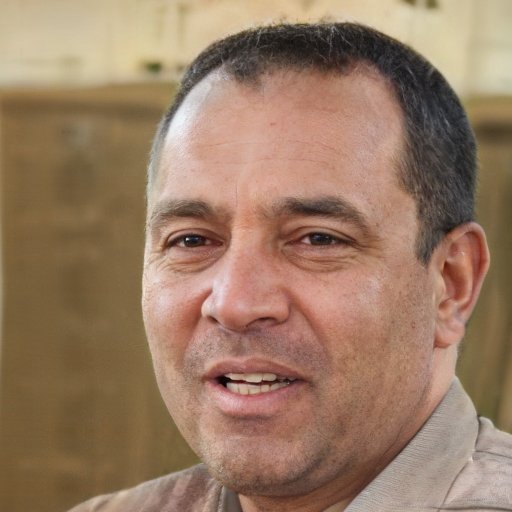
Robert Daniel is a highly respected Damage Restoration Expert with over 20 years of dedicated field experience. As a licensed professional, he has spent two decades restoring safety to residential and commercial properties throughout the region. Robert is recognized for his technical precision and authoritative knowledge in complex disaster recovery.
𝗖𝗲𝗿𝘁𝗶𝗳𝗶𝗰𝗮𝘁𝗶𝗼𝗻𝘀: He holds elite IICRC certifications in Water Damage Restoration (WRT), Mold Remediation (AMRT), Applied Structural Drying (ASD), Odor Control (OCT), and Fire and Smoke Restoration (FSRT).
𝗙𝗮𝘃𝗼𝗿𝗶𝘁𝗲 𝗣𝗮𝘀𝘁𝗶𝗺𝗲: Outside of work, Robert is an avid mountain biker and enjoys restoring antique furniture, a hobby that mirrors his professional passion for preservation.
𝗕𝗲𝘀𝘁 𝗣𝗮𝗿𝘁 𝗼𝗳 𝘁𝗵𝗲 𝗷𝗼𝗯: Robert finds the most fulfillment in seeing a family’s stress vanish as he transforms a damaged house back into a healthy, beautiful home.