
Trusted by 140+ Homeowners
What Is The Process Of Emergency Flood Response?
- Over 143 5-Star Reviews
- Free Estimates and Quotes
- 100% Satisfaction Guaranteed
- Child, Family & Pet Safe Steps
- 24-Hour Emergency Service
- Fully Licensed & Insured

Emergency flood response is a rapid, multi-step process aimed at mitigating damage, ensuring safety, and beginning the recovery. It involves immediate assessment, water extraction, drying, and sanitization to prevent further issues like mold.
The process of emergency flood response prioritizes safety and swift action to minimize property damage and health risks associated with water intrusion. Key steps include containment, extraction, drying, and disinfection.
TL;DR:
- Immediate action is critical to prevent further damage.
- Safety first: assess structural integrity and electrical hazards.
- Water extraction removes standing water quickly.
- Thorough drying and dehumidification are essential.
- Sanitization and mold prevention are vital for health.
What Is the Process of Emergency Flood Response?
When water invades your property, it’s a stressful situation. Understanding the steps involved in an emergency flood response can help you feel more prepared. This process is designed to be swift and effective. Our goal is to protect your property and your well-being.
Immediate Safety Assessment
The very first step in any flood response is ensuring everyone’s safety. This means checking for electrical hazards. Water and electricity are a dangerous mix. We also assess the structural integrity of the building. Sometimes, severe flooding can compromise walls or ceilings.
Identifying the Water Source and Type
Knowing where the water came from helps determine the best cleanup approach. Is it a clean pipe burst, or something more serious like sewage backup? Understanding the water type is crucial for proper handling and preventing contamination.
Containment and Water Extraction
Once it’s safe, the next priority is stopping the water flow. This might involve shutting off the main water supply or fixing a leak. Then, the immediate removal of standing water begins. This is where specialized equipment comes in. We use powerful pumps and vacuums to extract as much water as possible. This step is critical to stop the spread of floodwater spreading through the home.
The Importance of Speed
Every minute counts. The longer water sits, the more damage it can cause. It can seep into carpets, subfloors, and walls. This also increases the risk of mold developing. That’s why a rapid response is so important.
Drying and Dehumidification
After the bulk of the water is gone, the drying process begins. This isn’t just about wiping things down. It requires professional-grade equipment. High-speed air movers and industrial dehumidifiers work together. They circulate air and remove moisture from the environment. This prevents moisture from lingering in materials like drywall and wood. This thorough drying is key to preventing long-term issues.
Preventing Secondary Damage
The goal of drying is to bring moisture levels back to normal. This stops materials from warping, swelling, or deteriorating. It also helps prevent mold and mildew from taking hold. This phase is often overlooked but is absolutely essential for a complete recovery.
Sanitization and Odor Control
Water damage, especially from non-clean sources, can bring bacteria and other contaminants. After drying, we use specialized cleaning agents. These kill germs and neutralize odors. This ensures your home is not only dry but also healthy. For situations involving sewage, the risks are higher, making thorough cleaning vital. Addressing sewage backup contamination risks is a top priority.
Dealing with Contaminated Water
If the flood involved contaminated water, the process is more intensive. This often requires specialized cleaning and sometimes removal of affected materials. We follow strict safety protocols to handle contaminated water. It’s important to avoid contact with unsafe wastewater inside the home.
Restoration and Reconstruction
Once the drying and sanitization are complete, restoration begins. This can range from replacing carpet to repairing drywall. It’s about bringing your property back to its pre-flood condition. For businesses, this means getting operations back online. We understand the need for swift commercial property restoration planning to minimize downtime.
Mold Prevention and Remediation
A critical part of the process is preventing mold growth. Even small amounts of moisture can lead to problems. We take steps to ensure all areas are completely dry. If mold has already started, specialized mold remediation is necessary. This involves safely removing mold and treating the affected areas. Ignoring mold growth after moisture problems can lead to serious health issues.
Documentation and Insurance Claims
Throughout the process, we document all damage and work performed. This is important for insurance claims. Having a clear record helps ensure you receive the coverage you need. We can help guide you through this often-confusing part of the process.
What About Different Types of Flooding?
The response might vary slightly depending on the source. A burst pipe is different from a storm surge. Our teams are trained to handle various scenarios. Understanding the nuances of floodwater spreading through the home helps us tailor our approach effectively.
DIY vs. Professional Help
For minor leaks, some DIY might be possible. However, for significant flooding, professional help is essential. The risks of improper cleanup are too high. Professionals have the equipment and expertise to do the job right. They can also identify hidden issues like hidden mold after water damage.
The Dangers of Standing Water
Standing water after heavy rain can harbor bacteria and create electrical hazards. It can also weaken building materials over time. It’s never advisable to try and manage large amounts of standing water on your own without the right gear.
When Does the Emergency Phase End?
The “emergency” phase typically ends when the immediate threats are controlled. This means the water is extracted, the structure is drying, and major safety hazards are addressed. The restoration and reconstruction phase then begins.
Fire Damage Considerations
It’s worth noting that fire damage often involves water from firefighting efforts. This creates a unique set of challenges. The process involves dealing with both fire and water damage. Understanding smoke residue after a fire is part of the overall stabilization.
Conclusion
Navigating the aftermath of a flood is challenging. Understanding the emergency flood response process can help you know what to expect. From immediate safety checks to thorough drying and sanitization, each step is vital. At Frederick Damage Restoration Pros, we are dedicated to guiding you through this difficult time. We work diligently to restore your property and bring you peace of mind. We are your trusted resource for comprehensive water damage solutions.
What are the first steps to take when a flood occurs?
Your absolute first step should be to ensure everyone’s safety. If possible and safe to do so, turn off the electricity to affected areas. Avoid contact with floodwater if it appears contaminated. Then, call a professional restoration company immediately to assess the situation and begin the emergency response.
How quickly should flood response begin?
The sooner, the better. Ideally, emergency flood response should begin within 24 hours of the water intrusion. The longer water sits, the more damage it causes and the higher the risk of mold growth and structural compromise. Do not wait to get help.
Can I clean up flood damage myself?
For very minor leaks, you might be able to do some basic cleanup. However, for anything more substantial, professional help is strongly recommended. Professionals have specialized equipment and knowledge to handle water extraction, drying, and sanitization safely and effectively, preventing further issues.
What are the health risks associated with flood damage?
Floodwater can contain bacteria, viruses, and other harmful contaminants, especially if it’s from sewage or outdoor sources. These can cause infections and respiratory problems. Mold growth, which can occur within 24-48 hours, also poses significant health risks. These are serious health risks that require professional attention.
How long does the emergency flood response process take?
The emergency phase, focusing on extraction and initial drying, can take anywhere from a few days to over a week, depending on the severity of the flooding. The full restoration process, including repairs and reconstruction, can take much longer. Acting fast helps speed up the entire recovery.
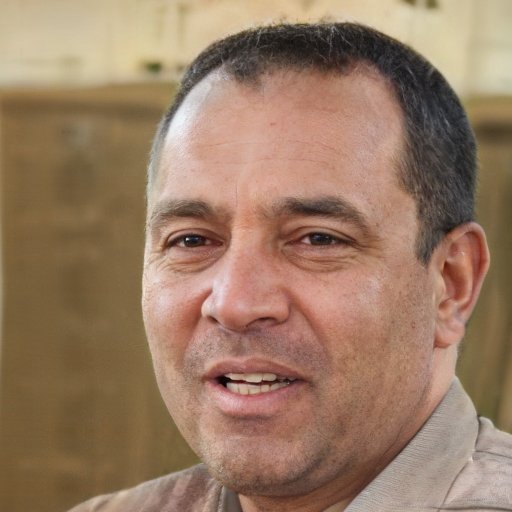
Robert Daniel is a highly respected Damage Restoration Expert with over 20 years of dedicated field experience. As a licensed professional, he has spent two decades restoring safety to residential and commercial properties throughout the region. Robert is recognized for his technical precision and authoritative knowledge in complex disaster recovery.
𝗖𝗲𝗿𝘁𝗶𝗳𝗶𝗰𝗮𝘁𝗶𝗼𝗻𝘀: He holds elite IICRC certifications in Water Damage Restoration (WRT), Mold Remediation (AMRT), Applied Structural Drying (ASD), Odor Control (OCT), and Fire and Smoke Restoration (FSRT).
𝗙𝗮𝘃𝗼𝗿𝗶𝘁𝗲 𝗣𝗮𝘀𝘁𝗶𝗺𝗲: Outside of work, Robert is an avid mountain biker and enjoys restoring antique furniture, a hobby that mirrors his professional passion for preservation.
𝗕𝗲𝘀𝘁 𝗣𝗮𝗿𝘁 𝗼𝗳 𝘁𝗵𝗲 𝗷𝗼𝗯: Robert finds the most fulfillment in seeing a family’s stress vanish as he transforms a damaged house back into a healthy, beautiful home.