
Trusted by 140+ Homeowners
How Do Restoration Pros Handle Multi-unit Building Damage?
- Over 143 5-Star Reviews
- Free Estimates and Quotes
- 100% Satisfaction Guaranteed
- Child, Family & Pet Safe Steps
- 24-Hour Emergency Service
- Fully Licensed & Insured

Restoration pros handle multi-unit building damage by employing specialized strategies. They focus on containment, rapid assessment, and phased restoration. This ensures minimal disruption to residents and operations.
Multi-unit buildings present unique challenges for damage restoration. Professionals must coordinate efforts across multiple units. They also prioritize safety and communication for all occupants.
TL;DR:
- Multi-unit building damage requires specialized handling due to multiple occupants and shared systems.
- Restoration pros focus on containment, rapid assessment, and phased restoration to minimize disruption.
- Communication with residents, property managers, and insurance is key throughout the process.
- Specialized equipment and techniques are used to address common issues like water, fire, and mold.
- A thorough inspection is vital to uncover any hidden damage that could cause future problems.
How Do Restoration Pros Handle Multi-Unit Building Damage?
Dealing with damage in a multi-unit building is a complex puzzle. Think of an apartment complex or a condominium. When disaster strikes, it often affects more than just one dwelling. This is where specialized restoration expertise comes into play. Professionals understand the unique demands of these structures. They know how to navigate the interconnected systems. They also prioritize the safety and well-being of everyone involved.
Initial Response and Assessment
The first step is always a swift and thorough assessment. Restoration teams arrive on-site quickly. They work to understand the full scope of the damage. This includes identifying the source and extent of the problem. For instance, a burst pipe on an upper floor can cause extensive water damage. This damage can travel down through multiple units. They need to pinpoint exactly where the water is, and how far it has spread. This involves checking for hidden damage that needs inspection. Early detection prevents further deterioration.
Containment Strategies
Containment is critical in multi-unit buildings. The goal is to stop the damage from spreading. This might involve setting up containment barriers. These barriers prevent cross-contamination between units. For water damage, this means drying affected areas quickly. For fire or smoke damage, it means isolating the affected zones. Effective containment protects unaffected units and common areas. It helps control costs and speeds up the overall recovery process. It’s like putting out a small fire before it engulfs the whole building.
Water Damage Mitigation
Water damage is a common issue in multi-unit properties. Leaks from plumbing, roofs, or appliances can be devastating. Restoration pros use advanced drying equipment. They deploy specialized pumps to remove standing water. Air movers and dehumidifiers are essential. These tools work to extract moisture from the air and building materials. They aim to dry out affected areas completely. This is vital to prevent mold growth. Sometimes, you might have extensive floodwater spreading through the home. Professionals know how to tackle even the most severe situations.
Fire and Smoke Damage Restoration
Fire and smoke can wreak havoc. Even small fires can leave behind significant damage. Smoke particles are corrosive and can penetrate deep into materials. Restoration teams specialize in cleaning these residues. They use specialized cleaning agents to remove soot. They also employ ozone treatments and thermal fogging. These methods neutralize odors effectively. They work to restore surfaces to their pre-loss condition. It’s important to address smoke residue after a fire promptly. This prevents long-term discoloration and odor problems.
Mold Prevention and Remediation
Moisture often leads to mold growth. This is a serious concern in any building. Mold can cause health problems for residents. Restoration experts identify and address mold issues. They use containment procedures to prevent spreading. They then remove contaminated materials safely. Thorough cleaning and drying are paramount. They ensure the environment is safe for reoccupation. This is especially important when dealing with hidden damage that needs inspection.
Structural Drying Techniques
Drying a multi-unit building requires a systematic approach. Professionals use moisture meters to track drying progress. They monitor humidity levels closely. They adjust equipment as needed to optimize drying times. Their goal is to return building materials to normal moisture content. This prevents secondary damage like warping or rot. It’s a science that requires precision and patience.
Coordination and Communication
Effective communication is the cornerstone of multi-unit restoration. Restoration pros work closely with property managers and owners. They provide regular updates on progress. They also communicate with residents. Explaining the process helps manage expectations. It reduces anxiety during a stressful time. They act as a central point of contact. This ensures everyone is informed and aligned.
Insurance Claims Management
Navigating insurance claims can be daunting. Restoration companies often assist with this process. They document the damage thoroughly. They provide detailed estimates to insurance adjusters. This helps ensure that all necessary repairs are covered. They aim to make the claims process as smooth as possible. This is part of offering professional restoration after property damage.
Specialized Equipment and Techniques
Restoration companies invest in advanced technology. They use industrial-grade water extractors. They have high-powered air movers and dehumidifiers. They also use thermal imaging cameras. These cameras can detect moisture behind walls. They employ specialized equipment for fire and smoke cleanup. This allows them to tackle even the most challenging situations efficiently. They are prepared for everything from minor leaks to catastrophic events.
Phased Restoration Approach
For large-scale damage, a phased approach is often best. This breaks down the restoration into manageable stages. For example, emergency water extraction might be phase one. Then, structural drying follows. After that, cleaning and deodorizing occur. Finally, reconstruction begins. This systematic method helps manage resources. It also minimizes disruption to residents. It’s about bringing order back to chaos.
Common Challenges in Multi-Unit Buildings
Several factors make multi-unit restoration unique. Shared HVAC systems can spread odors or contaminants. Access to all affected areas can be challenging. Coordinating work across multiple units requires meticulous planning. The sheer number of people involved adds complexity. Understanding these challenges is key to success. It’s why you need experienced professionals on your side.
When to Call a Professional
If you notice any signs of damage, don’t delay. Water stains, musty odors, or visible mold are red flags. Even minor issues can escalate quickly. It’s always best to call a professional right away. They can assess the situation accurately. They have the tools and expertise to handle it safely. Waiting can lead to more extensive damage. It can also result in higher repair costs. Don’t wait to get help when disaster strikes.
| Type of Damage | Initial Steps by Pros | Key Restoration Techniques | Potential Long-Term Issues if Untreated |
|---|---|---|---|
| Water Damage | Water extraction, containment | Drying, dehumidification, mold prevention | Mold growth, structural rot, electrical hazards |
| Fire & Smoke Damage | Soot removal, deodorization | Cleaning, ozone treatment, content restoration | Lingering odors, material corrosion, structural compromise |
| Mold Damage | Containment, air purification | Removal, cleaning, dehumidification | Health problems, structural degradation, re-infestation |
Checklist for Multi-Unit Building Owners
- Have a pre-established relationship with a restoration company.
- Know your building’s emergency shut-off locations for water and power.
- Understand your insurance policy coverage for different types of damage.
- Communicate any discovered damage to your property manager immediately.
- Be prepared to evacuate if the damage poses an immediate safety risk.
- Trust the professional restoration after property damage experts.
Conclusion
Restoring multi-unit buildings after damage requires a specialized skill set. It involves meticulous planning, advanced technology, and clear communication. The goal is always to return the property to its pre-loss condition efficiently and safely. At Frederick Damage Restoration Pros, we understand the unique pressures. We are equipped to handle these complex situations. We aim to minimize disruption and stress for residents and owners alike. We provide expert advice today to help you navigate any disaster.
What is the biggest challenge in restoring a multi-unit building?
The biggest challenge is coordinating efforts across multiple units and residents. Ensuring minimal disruption to daily life for everyone involved is paramount. Shared systems like HVAC and plumbing also add layers of complexity.
How quickly should restoration begin in a multi-unit building?
Restoration should begin as soon as possible. For water damage, immediate extraction is crucial to prevent further spread and mold. For fire damage, prompt cleaning of smoke residue after a fire is important. Delaying can lead to more extensive and costly repairs.
Can restoration professionals prevent mold in multi-unit buildings?
Yes, they can significantly reduce the risk. By rapidly removing water and drying affected areas, they create an environment where mold cannot thrive. Thorough inspections also help identify and address potential moisture sources before mold can form.
What role does communication play in multi-unit restoration?
Communication is vital. Restoration pros need to communicate with property managers, insurance adjusters, and residents. Keeping everyone informed about the process, timelines, and potential challenges helps manage expectations and reduces anxiety.
How do restoration pros handle different types of damage in the same building?
They assess each type of damage separately but consider their interactions. For example, a fire might also cause water damage from firefighting efforts. They develop a comprehensive plan that addresses all affected areas and materials, whether it’s water damage, smoke damage, or potential mold issues.
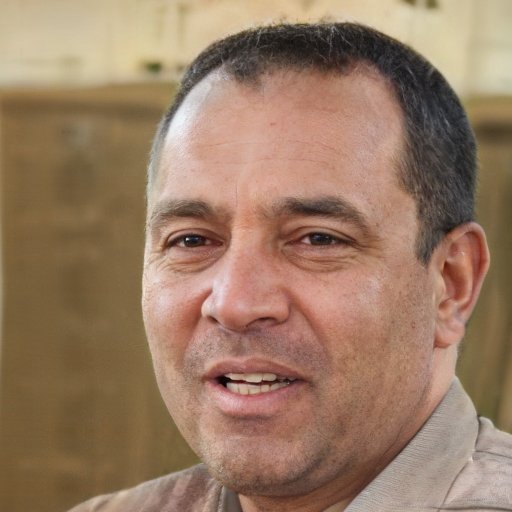
Robert Daniel is a highly respected Damage Restoration Expert with over 20 years of dedicated field experience. As a licensed professional, he has spent two decades restoring safety to residential and commercial properties throughout the region. Robert is recognized for his technical precision and authoritative knowledge in complex disaster recovery.
𝗖𝗲𝗿𝘁𝗶𝗳𝗶𝗰𝗮𝘁𝗶𝗼𝗻𝘀: He holds elite IICRC certifications in Water Damage Restoration (WRT), Mold Remediation (AMRT), Applied Structural Drying (ASD), Odor Control (OCT), and Fire and Smoke Restoration (FSRT).
𝗙𝗮𝘃𝗼𝗿𝗶𝘁𝗲 𝗣𝗮𝘀𝘁𝗶𝗺𝗲: Outside of work, Robert is an avid mountain biker and enjoys restoring antique furniture, a hobby that mirrors his professional passion for preservation.
𝗕𝗲𝘀𝘁 𝗣𝗮𝗿𝘁 𝗼𝗳 𝘁𝗵𝗲 𝗷𝗼𝗯: Robert finds the most fulfillment in seeing a family’s stress vanish as he transforms a damaged house back into a healthy, beautiful home.