
Trusted by 140+ Homeowners
What Are The Legal Duties Of A Landlord After Flood Damage?
- Over 143 5-Star Reviews
- Free Estimates and Quotes
- 100% Satisfaction Guaranteed
- Child, Family & Pet Safe Steps
- 24-Hour Emergency Service
- Fully Licensed & Insured

Landlords have legal duties to ensure their rental properties are safe and habitable. After flood damage, these duties include prompt repair and ensuring the property is free from health hazards.
Understanding your landlord’s legal duties after flood damage is essential for tenants to ensure their rights are protected and their living conditions are safe.
TL;DR:
- Landlords must act quickly to address flood damage.
- Repairs should restore the property to a habitable condition.
- Tenants have rights regarding uninhabitable living spaces.
- Health and safety hazards from flood damage must be mitigated.
- Communication and documentation are key for both parties.
What Are the Legal Duties of a Landlord After Flood Damage?
When floodwaters invade your rental home, it’s a stressful event for everyone. As a tenant, you might wonder what your landlord is obligated to do. Landlords have specific legal responsibilities to protect their tenants’ well-being. These duties are often outlined in your lease agreement and local housing laws. Essentially, landlords must keep the property in a safe and livable condition. This includes responding to serious issues like flooding.
Immediate Response to Flood Damage
The first and most critical duty is a prompt response to the damage. Landlords cannot simply ignore the problem. They need to assess the situation quickly. This means understanding the extent of the water intrusion. Was it a minor leak or widespread flooding? The speed of their response directly impacts the severity of the damage and potential health risks.
Assessing the Damage
Once aware of the flood, the landlord must arrange for a professional assessment. This helps determine the scope of work needed. It’s not just about drying things out. Experts will check for structural damage and mold growth. This step is vital for a thorough and effective restoration process. Ignoring this can lead to long-term problems.
Making Necessary Repairs
Following the assessment, the landlord must undertake necessary repairs. This is not optional. They have a duty to restore the property to its original habitable state. This means fixing any damage caused by the water. It could involve repairing walls, floors, and ceilings. Electrical and plumbing systems also need careful inspection and repair.
Restoring Habitability
The goal of repairs is to make the home livable again. This includes ensuring it’s safe from structural issues. It also means addressing any lingering moisture. Proper drying and dehumidification are crucial. Without these steps, mold can quickly develop. This makes the property unhealthy and unsafe for tenants. The landlord’s duty is to ensure you can safely return to your home.
Tenant Rights During Major Damage
What happens if the property becomes uninhabitable? Your landlord has a duty to provide a safe living space. If flood damage makes the home unlivable, the landlord may need to provide alternative housing. This depends on local laws and the lease terms. You might be able to withhold rent until repairs are made. However, it’s wise to get expert advice before withholding rent.
Lease Termination Options
In severe cases, the lease might be terminated. If the property is beyond repair or takes too long to fix, both parties may agree to end the lease. This needs careful handling. Documenting everything is key. Understanding your lease agreement is the first step.
Addressing Health and Safety Concerns
Floodwaters can carry dangerous contaminants. This is especially true if the water came from outside or involved sewage. Landlords have a duty to address these serious health risks. They must ensure the property is safe from mold, bacteria, and other pathogens.
Mold Prevention and Remediation
Mold is a common byproduct of water damage. It can grow within 24-48 hours. Landlords must take steps to prevent mold growth. This includes thorough drying and cleaning. If mold is present, they must arrange for professional mold remediation. Ignoring mold can lead to respiratory problems and other health issues for tenants.
Contaminated Water Issues
If floodwater contained sewage or hazardous materials, the situation is more serious. This is often referred to as sewage backup contamination risks. Landlords must take extra precautions. Cleaning and sanitizing affected areas is essential. Proper disposal of contaminated materials is also required. This is not a DIY job; professionals are needed.
The Role of Professional Restoration
Dealing with extensive flood damage requires expertise. Landlords often hire professional restoration companies. These companies are equipped to handle drying, cleaning, and repairs. They can also test for mold and hazardous materials. Engaging professionals ensures the job is done correctly and safely. It’s a way for landlords to meet their duty of care.
Why Professional Help is Important
DIY attempts at flood restoration can be insufficient. They might not remove all moisture or contaminants. This can lead to hidden problems later. Professionals have specialized equipment. They understand the science of drying and remediation. This ensures that the property is truly safe and restored.
Communication and Documentation
Clear communication is vital between landlord and tenant. After flood damage, both parties should keep records. Tenants should notify their landlord in writing about the damage. Landlords should acknowledge the notification and outline their plan. This creates a paper trail.
Tenant’s Role in Reporting
As a tenant, your first step is to report the damage immediately. Be specific about what happened and when. Take photos or videos of the damage. This documentation is important for insurance claims and disputes. Act before it gets worse by reporting promptly.
Landlord’s Duty to Inform
Landlords should keep tenants updated on repair progress. They should inform tenants about any necessary temporary relocation. Transparency builds trust during a difficult time. They need to explain the timeline for flood damage restoration.
The Importance of a Written Lease
Your lease agreement is a critical document. It often outlines responsibilities for repairs and emergencies. Review your lease to understand your rights and obligations. If the lease is unclear, seek clarification. A well-understood lease can prevent disputes.
Understanding Local Laws
Landlord-tenant laws vary by location. These laws provide a safety net for tenants. They often define what constitutes a habitable dwelling. They also specify landlord responsibilities during emergencies. Knowing your local laws is empowering. Researching these rules can give you confidence.
When to Seek Further Assistance
If your landlord is not fulfilling their duties, you have options. You can often contact local housing authorities. Tenant advocacy groups can also provide guidance. Sometimes, legal counsel is necessary. It is always best to document all communication and actions taken.
Navigating Difficult Situations
Dealing with flood damage is challenging. Landlords must act responsibly. Tenants have rights to a safe and habitable home. Understanding these legal duties helps ensure a fair resolution for everyone involved. If you’re facing significant damage, don’t hesitate to seek help.
Working with Restoration Experts
Sometimes, the best path forward involves calling a professional restoration service. These teams can assess the damage, mitigate further issues like standing water after heavy rain, and begin the repair process. They work with both landlords and tenants to restore the property efficiently. This can be particularly helpful when dealing with widespread floodwater spreading through the home.
Conclusion
Landlords have a legal and ethical obligation to address flood damage promptly and effectively. This includes making necessary repairs, ensuring the property is habitable, and mitigating health and safety risks. Tenants have rights to a safe living environment, and understanding these rights is crucial. If you are a landlord or tenant dealing with flood damage, partnering with experienced professionals like Frederick Damage Restoration Pros can ensure a thorough and efficient restoration process, protecting your property and well-being.
What if flood damage makes my home unlivable?
If your home is deemed uninhabitable due to flood damage, your landlord may be required to provide temporary housing. This depends on your lease and local laws. You might also have the right to terminate your lease without penalty. It’s essential to communicate with your landlord and document the situation thoroughly.
How quickly must a landlord respond to flood damage?
Landlords must respond promptly to flood damage. What constitutes “prompt” can vary, but generally, it means assessing the damage and beginning mitigation efforts as soon as possible, ideally within 24-48 hours. Delay can exacerbate problems like mold growth and structural issues.
What are the hidden dangers of flood damage?
The hidden dangers of flood damage include mold growth, structural weakening, and electrical hazards. Floodwaters can also contain bacteria and other contaminants, posing serious health risks. These issues may not be immediately apparent and require professional inspection to uncover.
Can I withhold rent if my landlord doesn’t fix flood damage?
In many cases, you may have the right to withhold rent if your landlord fails to make necessary repairs after flood damage. However, this is a serious step with legal implications. It’s highly recommended to seek legal advice or consult with a tenant advocacy group before withholding rent to ensure you are following proper procedures.
What is the difference between flood damage and water backup?
Flood damage typically refers to water entering the property from outside sources due to heavy rain, overflowing rivers, or storms. Water backup, on the other hand, usually refers to water coming up from drains or sewer lines within the property. Both can cause significant damage, but the causes and sometimes the remediation approaches can differ, especially concerning sewage backup contamination risks.
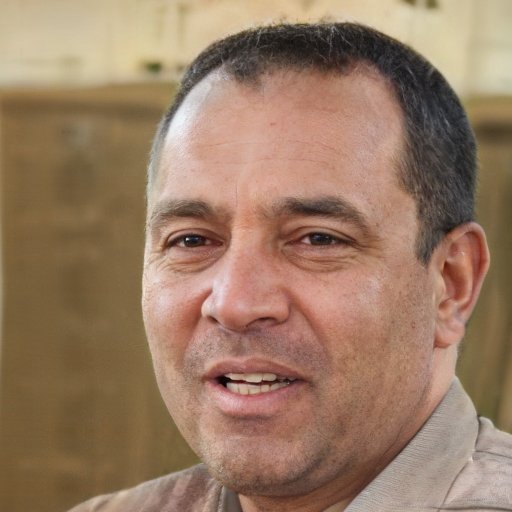
Robert Daniel is a highly respected Damage Restoration Expert with over 20 years of dedicated field experience. As a licensed professional, he has spent two decades restoring safety to residential and commercial properties throughout the region. Robert is recognized for his technical precision and authoritative knowledge in complex disaster recovery.
𝗖𝗲𝗿𝘁𝗶𝗳𝗶𝗰𝗮𝘁𝗶𝗼𝗻𝘀: He holds elite IICRC certifications in Water Damage Restoration (WRT), Mold Remediation (AMRT), Applied Structural Drying (ASD), Odor Control (OCT), and Fire and Smoke Restoration (FSRT).
𝗙𝗮𝘃𝗼𝗿𝗶𝘁𝗲 𝗣𝗮𝘀𝘁𝗶𝗺𝗲: Outside of work, Robert is an avid mountain biker and enjoys restoring antique furniture, a hobby that mirrors his professional passion for preservation.
𝗕𝗲𝘀𝘁 𝗣𝗮𝗿𝘁 𝗼𝗳 𝘁𝗵𝗲 𝗷𝗼𝗯: Robert finds the most fulfillment in seeing a family’s stress vanish as he transforms a damaged house back into a healthy, beautiful home.